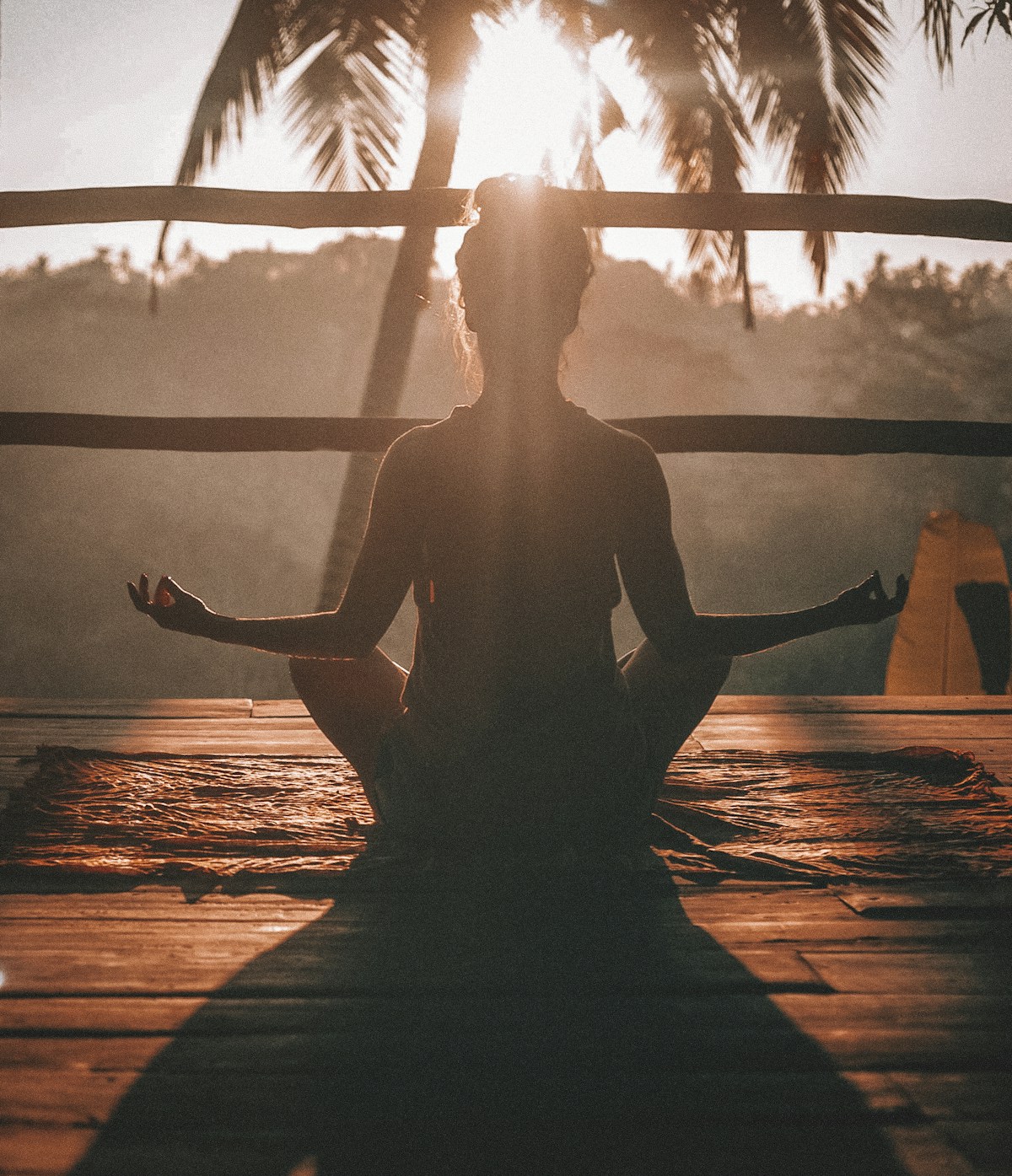
Flexibility is not a fixed trait you either have or lack—it is a capacity that responds to consistent, patient practice. Whether you feel like a rigid board or simply want to deepen existing flexibility, a daily practice will progressively transform your range of motion. The key word is daily: brief, consistent practice outperforms sporadic long sessions every time. Your body adapts to what you repeatedly ask of it, and even five to ten focused minutes each day creates meaningful change over weeks and months.
This 20-minute routine requires no special equipment beyond a mat and perhaps a strap or towel. It addresses all major muscle groups while emphasizing areas where most people hold chronic tension: hips, hamstrings, shoulders, and spine. Perform this sequence each morning upon waking, or in the evening as a transition into quieting time. Many practitioners prefer morning practice to counteract overnight stiffness and set a tone of ease for the day.
Understanding Flexibility and How It Changes
Flexibility involves the ability of muscles and connective tissues to lengthen through their range of motion. Unlike strength, which can develop relatively quickly, flexibility requires patient, consistent practice over time. Factors affecting flexibility include age, genetics, hydration, temperature, and prior injury. However, even people with historically tight bodies can achieve significant improvements through dedicated practice.
The key principle is that flexibility is nervous system-mediated. Your muscles have built-in protective mechanisms that resist stretching beyond safe ranges. Through consistent, gentle practice, you can retrain your nervous system to allow greater range of motion without triggering protective tension. Forcing or bouncing into stretches activates these protective responses and can cause injury.
Warm-Up (3 minutes)
Begin with gentle movement to prepare the body. Standing in mountain pose, inhale arms overhead, exhale hands to heart center—repeat five times, coordinating movement with breath. This synchronizes breath with movement and begins warming the body.
Then add gentle side bends, moving like a tree in the wind. Let one arm reach overhead as you lean to the opposite side, then switch. Flow smoothly between sides without pausing.
Finally, roll down to touch your toes (or knees if tight), letting your head hang heavy. Roll up slowly, stacking each vertebra one at a time. This rolling down and up sequence prepares the spine for the more active work ahead.
Sun Salutations (5 minutes)
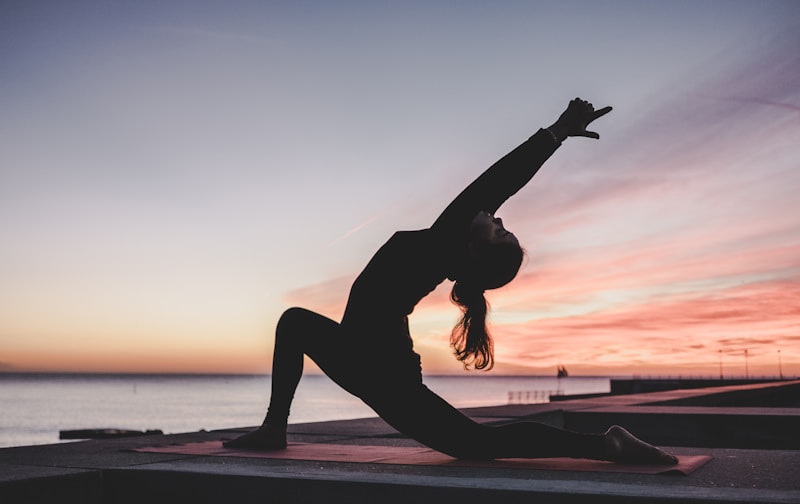
Sun salutations warm the entire body while creating fluid movement between poses. Move through a modified version: from standing forward fold, step or jump back to plank, lower down, forward fold, and return to standing. Repeat five rounds, synchronizing movement with breath.
If full sun salutations feel too advanced, the modified version provides excellent preparation. Focus on the transitions rather than holding poses. The movement itself creates warmth and prepares muscles for deeper stretching.
Standing Poses for Flexibility (7 minutes)
From forward fold, step right foot back into a lunge. Drop the back knee and open the hips toward the long side of your mat. Reach both arms up, lengthening through the spine. Then fold forward over the front leg, placing hands on the floor or blocks. Hold three breaths. Step forward, repeat on the left. This lunge sequence opens hip flexors that become shortened from sitting.
Then do standing pigeon pose: from lunge, bring the right shin across your mat parallel to the top, either with the foot near the opposite hip or extending the foot away. Square your hips and fold forward over the front leg. Hold three breaths, then repeat on the left. Pigeon provides deep hip opening that most Westerners desperately need.
Seated Poses (5 minutes)
Sit with legs extended. Keeping spine tall, fold forward over your legs, reaching for your feet, shins, or thighs—wherever you can reach without rounding the back. Hold three breaths, breathing into any tight areas. With each exhale, see if you can soften and lengthen slightly further. This forward fold stretches the entire back body—hamstrings, calves, and spine.
Bring the soles of your feet together, knees wide (butterfly pose). Hold your feet and fold forward between them. This opens inner thighs and lower back. Stay for several breaths, allowing gravity to gently deepen the stretch.
Modification Tips
If sitting with legs extended is uncomfortable, sit on a folded blanket or block to tilt the pelvis forward. If pigeon pose is inaccessible, try figure-four pose lying on your back—draw right ankle to left knee and hold. These modifications provide similar benefits without requiring the same flexibility.
Cool Down and Rest (2 minutes)
Finish in savasana—lying flat with arms and legs relaxed, eyes closed. Release all effort and simply breathe. Even two minutes of conscious rest after practice allows integration and enhances the flexibility benefits. Set a timer if needed. This final relaxation is essential—it signals to the body that the practice session is complete and that the new range of motion is safe.
Related Articles
Explore Yoga for Back Pain Relief for poses that address back flexibility, and Stretching for Desk Workers if you need additional support for sedentary lifestyles.