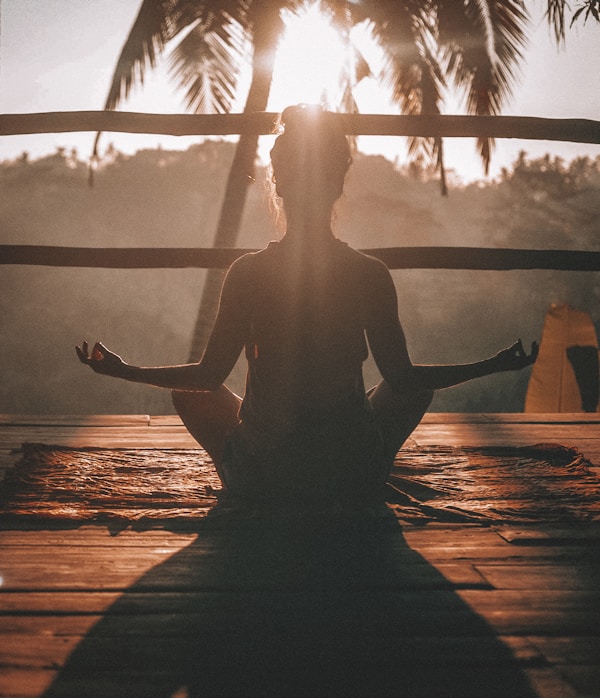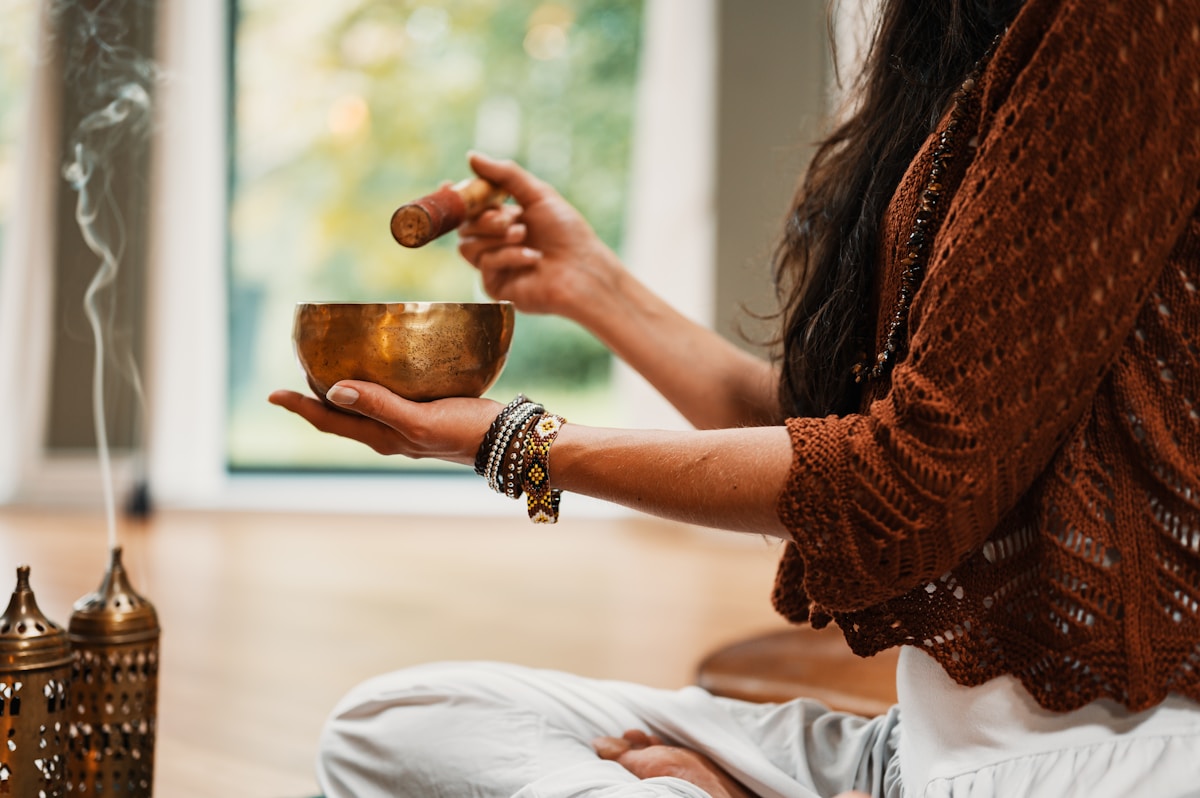
There is a quiet revolution happening around the world. Millions of people from all walks of life are discovering that the ancient practice of meditation offers something modern life desperately needs: access to inner peace, mental clarity, and emotional resilience. Yet despite its simplicity, building a sustainable daily meditation practice remains one of the most challenging habits to establish. This guide will walk you through everything you need to know to create a meditation practice that truly transforms your life.
When I first began my meditation journey over a decade ago, I struggled immensely. My mind raced constantly, I couldn't sit still for more than two minutes, and I convinced myself that I simply wasn't the "meditating type." What I eventually learned is that everyone who meditates was once exactly where you are now. The ability to find peace within is not a talent some people possess and others lack—it is a skill available to anyone willing to practice.
Understanding What Meditation Really Is
Before diving into practical strategies, let us address a fundamental misconception that derails many beginning meditators. Meditation is not about achieving a blank mind, stopping all thoughts, or entering some mystical altered state. These expectations create unnecessary frustration and confusion.
Meditation is, at its core, the practice of directing and sustaining attention. It is attention training. Just as athletes train their bodies and students train their minds, meditation trains our capacity to be present. We learn to notice when our attention has wandered and gently guide it back. We develop the ability to observe our thoughts and emotions without being consumed by them.
This understanding transforms everything. You cannot fail at meditation because meditation is simply the act of noticing when you have been distracted and returning to your chosen focus. Each time you notice your mind wandering and bring it back, you have successfully completed a repetition of the practice. There is no threshold of perfect stillness you must achieve.
The Science Behind Daily Meditation
Modern research has documented remarkable changes in the brains and bodies of regular meditators. Studies using MRI technology show that consistent meditation practice increases gray matter density in regions associated with learning, memory, emotional regulation, and perspective-taking. Equally significant, meditation appears to reduce activity in the amygdala—the brain region responsible for fear and stress responses.
Beyond structural brain changes, meditation affects our physiological functioning in profound ways. Regular practitioners show lower cortisol levels, reduced blood pressure, improved immune function, and better sleep quality. The relaxation response triggered by meditation counteracts the chronic stress response that contributes to most modern diseases.
Perhaps most relevant to daily life, meditation enhances what psychologists call "executive function"—the set of mental abilities that includes focus, cognitive flexibility, and self-control. In an age of constant distraction, these capacities have become precious commodities. Regular meditation practice quite literally makes you better at everything you do.
Choosing Your Meditation Technique
Meditation encompasses many approaches, each with distinct methods and benefits. Exploring different techniques allows you to find what resonates with your mind and temperament. Here are several foundational approaches worth exploring.
Breath Focus Meditation
The breath serves as an ideal meditation anchor because it is always present, requires no equipment, and provides continuous sensory material to observe. In this practice, you simply notice the physical sensations of breathing—the rise and fall of your chest, the air moving through your nostrils, the brief pause between inhale and exhale.
When thoughts arise, acknowledge them without judgment and return to observing your breath. This technique is particularly valuable for beginners because the breath provides enough structure to prevent the mind from becoming completely lost in thought while remaining simple enough to observe without confusion.
Body Scan Practice
The body scan systematically moves attention through different regions of the body, developing somatic awareness and releasing accumulated tension. This approach is especially beneficial for those who carry stress in their bodies or who struggle with the abstract nature of breath observation.
Beginning at the crown of your head, slowly move your awareness through your entire body, pausing briefly at each region to notice whatever sensations are present. You might discover hidden areas of tension, unexpected warmth or tingling, or surprising areas of comfort and ease.
Open Awareness Meditation
Once you have established basic concentration, you might explore open awareness practice. Rather than focusing on a specific object, you allow awareness to rest in a panoramic, non-reactive state. You observe whatever arises—sounds, sensations, thoughts, emotions—without grasping or rejecting anything.
This practice develops equanimity and teaches us to relate to experience with greater acceptance. It is more challenging than focused techniques and should be approached only after you can maintain basic attention for periods of time.
Practical Strategies for Building Your Practice
Understanding meditation techniques intellectually differs from actually establishing a practice. The gap between knowing what to do and actually doing it consistently is where most practitioners encounter difficulties. The following strategies address the practical challenges of building a sustainable daily habit.
Start Microscopically Small
The most common mistake beginners make is attempting to meditate for too long too soon. Setting an intention to meditate for twenty or thirty minutes daily often leads to exhaustion, frustration, and eventual abandonment of the practice. Instead, begin with just three to five minutes—something so brief that it would be absurd to claim you don't have time.
Once you have consistently practiced for several weeks, gradually extend your sessions. Add one minute per week, or increase duration only when the current length feels comfortable. This approach builds the habit without overwhelming your schedule or depleting your motivation.
Anchor Your Practice to Existing Habits
Research on habit formation reveals that new behaviors integrate more successfully when connected to established routines. The concept of habit stacking involves attaching your new meditation practice to something you already do automatically—first thing in the morning, after your coffee, following your shower, before bed.
Morning meditation offers particular advantages. Your willpower is fresh, external distractions are minimal, and the benefits of the practice will be available throughout your day. However, any time you can consistently commit to is the right time for you. The best meditation time is whenever you will actually do it.
Create Physical Cues
Your environment can either support or sabotage your practice. Design your space to make meditation as easy as possible. Designate a specific location for meditation, even if it is just a particular chair or corner of a room. Keep your meditation cushion or props accessible rather than stored away. Some practitioners find that lighting a candle or playing soft music creates a physical cue that helps transition the mind into practice mode.
Keep technology out of your meditation space. The phone is the greatest threat to consistent practice, as it constantly competes for attention and provides an easy escape from the discomfort of sitting still. Leave devices in another room during your practice session.
Navigating Common Challenges
Every meditator encounters obstacles. Understanding that challenges are normal and expected can help you move through them with greater ease. Here are the most frequently reported difficulties and strategies for addressing them.
Difficulty sitting still or physical discomfort affects many beginners. Invest in proper support—a quality meditation cushion can make the difference between an uncomfortable struggle and a comfortable practice. If sitting on the floor is not accessible, a chair works perfectly well. The key is finding a position where your spine can be upright without strain while your body remains relaxed.
Restless thoughts often discourage beginners who believe they should be able to quiet their minds. Remember that having thoughts is not failure—it is simply the nature of the mind. The practice is not to stop thinking but to change your relationship with thought. Each time you notice distraction and return to your anchor, you have successfully completed the practice.
Sleepiness during meditation is common, especially in the evening. If drowsiness becomes an issue, try meditating earlier in the day, sitting more upright, keeping your eyes slightly open, or practicing before eating. Sometimes simply taking a few deep breaths or splashing cold water on your face before sitting helps dispel sleepiness while preserving the meditative state.
When to Deepen Your Practice
After establishing a consistent foundation, many practitioners feel drawn to explore more advanced territory. This might include longer meditation sessions, silent meditation retreats, group practice, or more esoteric practices. These explorations can be valuable but should emerge organically from your established foundation rather than from impatience to progress.
Consider working with a teacher when you feel ready for guidance beyond what books and apps provide. A knowledgeable teacher can offer personalized instruction, help you navigate difficulties, and introduce practices appropriate to your development. Many traditions offer initiation into specific techniques that cannot be properly learned from written materials alone.
Related Articles
Complement your meditation journey with related practices: Morning Meditation for Beginners offers guidance on creating an effective morning ritual, while Mindful Breathing Techniques provides practical tools for managing stress throughout your day. If you struggle with sleep, explore Sleep Meditation for Better Rest for evening practices.
Remember that the meditation habit you build today becomes the foundation for everything that follows. Start small, be patient with yourself, and trust that each moment of presence—however brief or imperfect—creates lasting change in your brain, your nervous system, and your capacity to live with grace and ease.