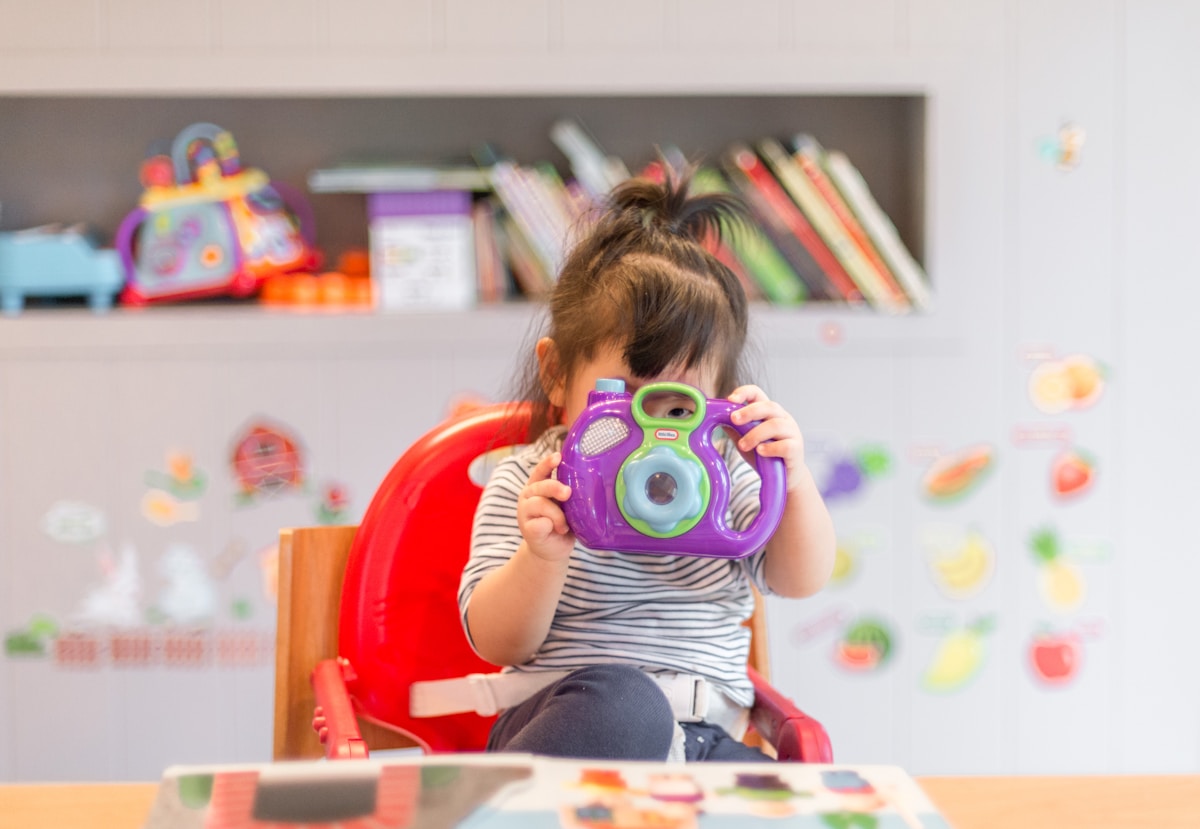
Within every adult lives the child we once were—the repository of our earliest experiences, unmet needs, forgotten dreams, and unprocessed emotions from childhood. This inner child is not merely a poetic metaphor but is psychologically real, shaped by the conditions of our early environment and carrying both the wounds we sustained before we had the capacity to protect ourselves and the gifts we possessed as children before life taught us to suppress them. These childhood wounds often manifest in adult life as recurring emotional patterns: difficulty with intimacy and vulnerability, fear of abandonment or rejection, excessive self-criticism, persistent feelings of inadequacy or not being enough, or an ongoing sense that something fundamental is missing. Healing the inner child offers a profound path to emotional wholeness that depth psychology, trauma therapy, and spiritual traditions have recognized for over a century.
The inner child holds both wounds and gifts. Alongside the pain of unmet needs, developmental trauma, and childhood suffering live the capacities for wonder, play, creativity, spontaneity, and joy that adult life so often suppresses. The child who delighted in exploring the world, who found magic in ordinary things, who expressed emotions freely and knew how to play without self-consciousness—these qualities still exist within you, sometimes buried beneath the protective layers developed in response to hurt. When we heal the wounded child within, we reclaim these gifts as well. The goal is not to remain stuck in childhood but to integrate the child's wisdom and joy into mature, responsible, loving adulthood.
Understanding the Wounded Inner Child
Developmental psychologist John Bowlby's attachment theory and subsequent research has demonstrated that our early relationships with caregivers create internal working models that shape how we experience relationships throughout life. When children receive consistent, loving, responsive care, they develop secure attachment—believing they are worthy of love and that others can be trusted. When care is inconsistent, neglectful, or abusive, children develop insecure attachment patterns that create predictable difficulties in adult relationships. These attachment wounds are held in the inner child, often activated in present-moment relationships that echo earlier dynamics.
The wounded child often surfaces in triggered emotional reactions that seem disproportionate to current situations. A minor criticism from a partner might activate intense shame if it echoes childhood criticism. Perceived rejection from a friend might replicate early abandonment. Difficulty saying no might stem from childhood experiences where saying no had painful consequences. These adult reactions are not proportional to present circumstances—they are being amplified by the wounded child's memories and beliefs.
Recognizing When Your Inner Child is Activated
Notice when you feel small, helpless, frightened, powerless, or like a child in an adult situation. These feelings often indicate that your inner child is reacting to an experience that echoes the past. Other signs include emotional reactions that feel older than your adult self, intense shame that arises suddenly, difficulty being alone, excessive need for external validation, or recurring patterns in relationships that follow the same dysfunctional script despite different partners. The first step in healing is recognition: "I am being triggered, and this is my wounded child responding from the past."

Inner Child Healing Practices
Inner Child Dialogue: This powerful technique involves consciously connecting with your younger self through imagination and imagery. In a relaxed state, allow a visualization of yourself as a child—perhaps at a difficult moment you remember from your childhood, or just as you are now in your adult life but with child-like qualities visible. See, hear, or sense this child and allow yourself to feel compassion for what this child experienced and needs. Offer the child the comfort, validation, protection, and encouragement they needed but did not receive. Ask what they need from you now. This practice can feel awkward at first but often produces profound emotional release and healing. Regular practice—returning to visit your inner child daily—creates an ongoing relationship that heals over time.
Reparenting: Reparenting involves giving yourself the nurturing, protection, and validation you did not receive as a child. Ask yourself what you needed as a child that you did not get—whether it was consistent emotional presence, protection from something harmful, validation of your feelings, encouragement to pursue your interests, or simply someone to listen and care. Then, provide it for yourself now. This might mean physically comforting yourself, speaking to yourself with encouraging words, setting boundaries with others on your own behalf, or giving yourself permission to pursue the creative or playful activities your child self loved. Reparenting builds the internal secure base that you may not have received externally.

Reclaiming the Gifts of the Child
Alongside healing wounds, reconnect with the qualities your child self possessed. When did you last play just for the joy of it, with no goal or outcome in mind? What activities did you love as a child that you have since abandoned? What made you curious, excited, fascinated? Reintroducing these elements into adult life—play, creativity, wonder, spontaneity—is not regression but integration. Adults who maintain connection with their childlike qualities report higher life satisfaction and lower depression and anxiety.
Allowing yourself to play, create, and experience wonder does not mean abandoning adult responsibilities. It means recognizing that the child's joy is not a luxury but an essential component of human well-being. Dancing when music plays, making art without judging the result, exploring nature with curiosity, playing with pets or children—these activities feed the soul in ways that adult achievement and productivity cannot.
When to Seek Professional Support
Inner child healing can be profound work, and for those with significant trauma, working with a qualified therapist—especially one trained in attachment-focused, somatic, or EMDR therapy—provides structure and support for processing deeper wounds safely. You do not have to do this work alone. Professional support is not a sign of weakness but a recognition that some wounds benefit from skilled assistance in healing.
Related Articles
Explore Shadow Work Explained for another powerful approach to integrating past wounds, and Journaling for Emotional Healing to support your inner child work through reflective writing practices.