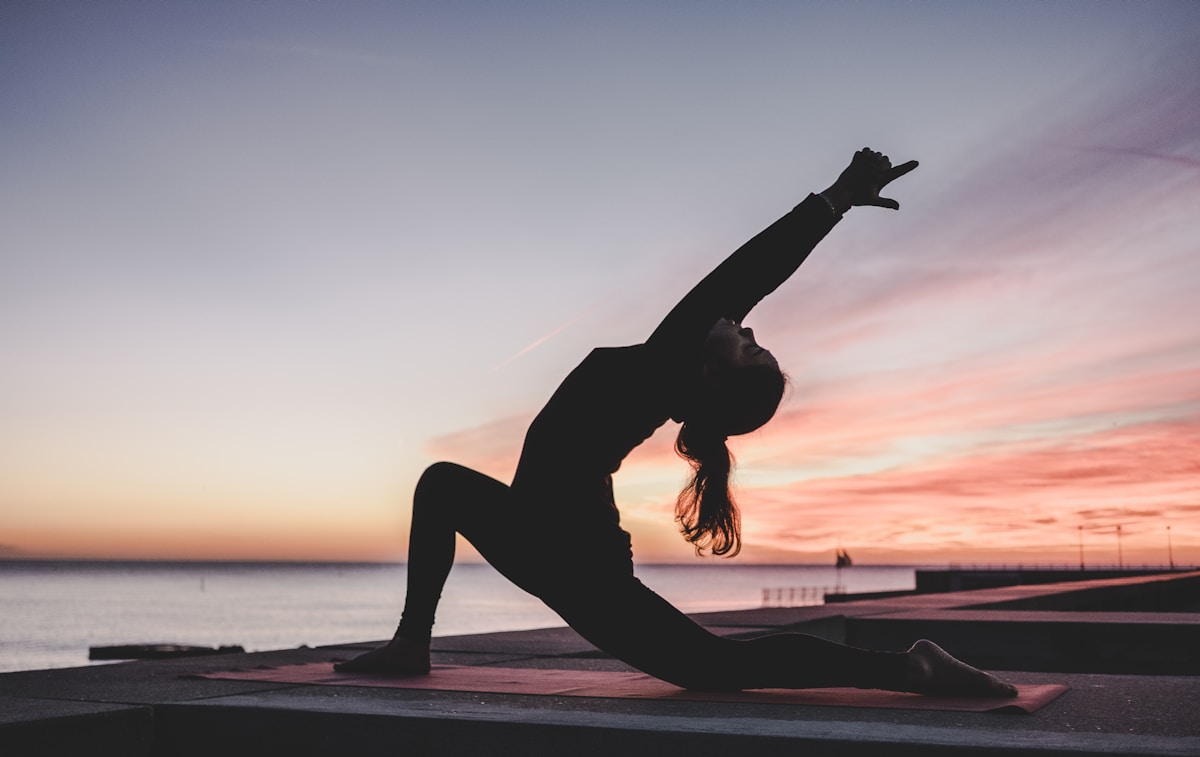
In our culture of constant doing, rest has become a lost art. We push, achieve, and exhaustion becomes a badge of honor. Yet the body cannot endlessly burn without replenishment—it requires deep rest to repair, restore, and renew. Restorative yoga offers a practice specifically designed to activate the parasympathetic nervous system, facilitating the relaxation response that combat stress and support healing on every level.
Unlike more active yoga styles that strengthen and stretch, restorative yoga uses fully supported, passively held poses. Props—bolsters, blankets, blocks, and sandbags—support the body in positions of comfort and ease, eliminating the need for muscular effort. When the body no longer needs to maintain itself against gravity, it can redirect resources toward repair and restoration. This complete surrender distinguishes restorative yoga from both active practice and simple relaxation.
The Philosophy of Support
In restorative practice, we use props not as aids toward more advanced poses but as the destination itself. A bolster placed under the knees in savasana transforms a familiar pose into profound release. A block beneath each hip in supported bridge creates a gentle opening that the body can sustain without effort. These supports allow the nervous system to recognize safety and surrender.
The long holds—five to twenty minutes per pose—allow the body's relaxation response to fully engage. Unlike more active practices where we move in and out of poses quickly, restorative yoga asks us to settle, soften, and remain. This extended duration provides time for the mind to quiet and the body to release its habitual tensions. Many practitioners find that the first few minutes of a restorative pose feel fine, but deeper release occurs only after several minutes of stillness.
Essential Restorative Poses
Supported child's pose, with a bolster lengthwise beneath your torso, provides a gentle hip and back opener that most people find immediately calming. The slight external rotation of the hips in this pose releases tension that accumulates from sitting. You can also place a small pillow between your feet and your torso for additional comfort.
Supported forward fold over a bolster placed on a chair in front of you creates a gentle release for the entire back body while allowing legs to rest in a more comfortable position than traditional seated forward fold. This variation is particularly helpful if hamstring flexibility is limited or if lower back issues prevent comfortable forward bending.
Reclined Bound Angle Pose
Reclined bound angle pose (supta baddha konasana) opens the hips and chest while allowing complete surrender. Bolsters or blocks support the knees, and a blanket supports the chest if needed. This pose is particularly beneficial for the chest and shoulder opening it provides. It also gently stretches the inner thighs and groin.
Place blocks or bolsters under each knee so that the soles of your feet come together and knees fall open. Support your chest with a bolster if needed. Stay for five to ten minutes, allowing gravity to deepen the stretch progressively.
Legs-Up-The-Wall
Legs-up-the-wall (viparita karani) with a bolster beneath your hips is one of yoga's most therapeutic poses. The gentle inversion reverses blood flow, reduces edema in legs, and calms the nervous system. Many people find this pose instantly relaxing, making it an excellent introduction to restorative practice. You can also place a sandbag or small weight on your sacrum for added grounding.
Practicing Restorative Yoga
Create a quiet, warm environment for your practice. Gather props generously—you cannot use too many supports in restorative practice. Remove phones and distractions. Dim lights if possible. Allow at least thirty minutes for a complete sequence, including time to transition between poses and rest in savasana at the end.
Breathe naturally and allow sounds to arise without reacting. If thoughts arise, note them gently and return attention to the body in the pose. The goal is not to achieve any particular experience but to support the body's natural capacity for self-repair. Some days you may feel deeply relaxed; other days the mind may be very active. Both are valid.
When to Practice
Restorative yoga is appropriate at any time, but it is particularly valuable in the evening as a transition from the activity of day to the rest of night. It supports healthy sleep by activating the parasympathetic nervous system before bed. During times of stress, illness, or recovery from injury, restorative practice provides healing support without demanding energy the body may not have.
Related Articles
Explore Yoga Nidra for a complementary deep relaxation practice, and Sleep Meditation to enhance evening rest.