Chronic inflammation has emerged as a central mechanism underlying most modern diseases. Heart disease, cancer, Alzheimer's, type 2 diabetes, arthritis, autoimmune conditions, depression—even aging itself—all share inflammatory origins that researchers now understand as the common pathway connecting these seemingly disparate conditions. While acute inflammation serves necessary protective purposes—your immune system's response to injury or infection—chronic inflammation quietly and continuously damages tissues, organs, and cellular function day after day, year after year, often without any obvious symptoms until disease has already developed. The solution to this silent epidemic may lie more in our kitchens than our medicine cabinets: dietary choices powerfully influence inflammation levels, for better or worse, and strategic food choices can meaningfully reduce chronic inflammation within weeks.
The Western diet—characterized by abundant refined carbohydrates, processed foods, industrial seed oils, excess sugar, and animal products from factory farming—creates the inflammatory conditions that promote disease. Conversely, traditional dietary patterns like the Mediterranean diet, which is rich in whole plant foods, healthy fats, and lean proteins while minimal in processed foods, demonstrate potent and well-documented anti-inflammatory effects. The Mediterranean diet's benefits are not from any single superfood but from the synergistic combination of whole, unprocessed foods eaten consistently over time. Shifting toward whole, unprocessed foods as the foundation of your diet provides the most powerful and sustainable approach to reducing chronic inflammation.
Colorful Vegetables: Nature's Inflammation Fighters
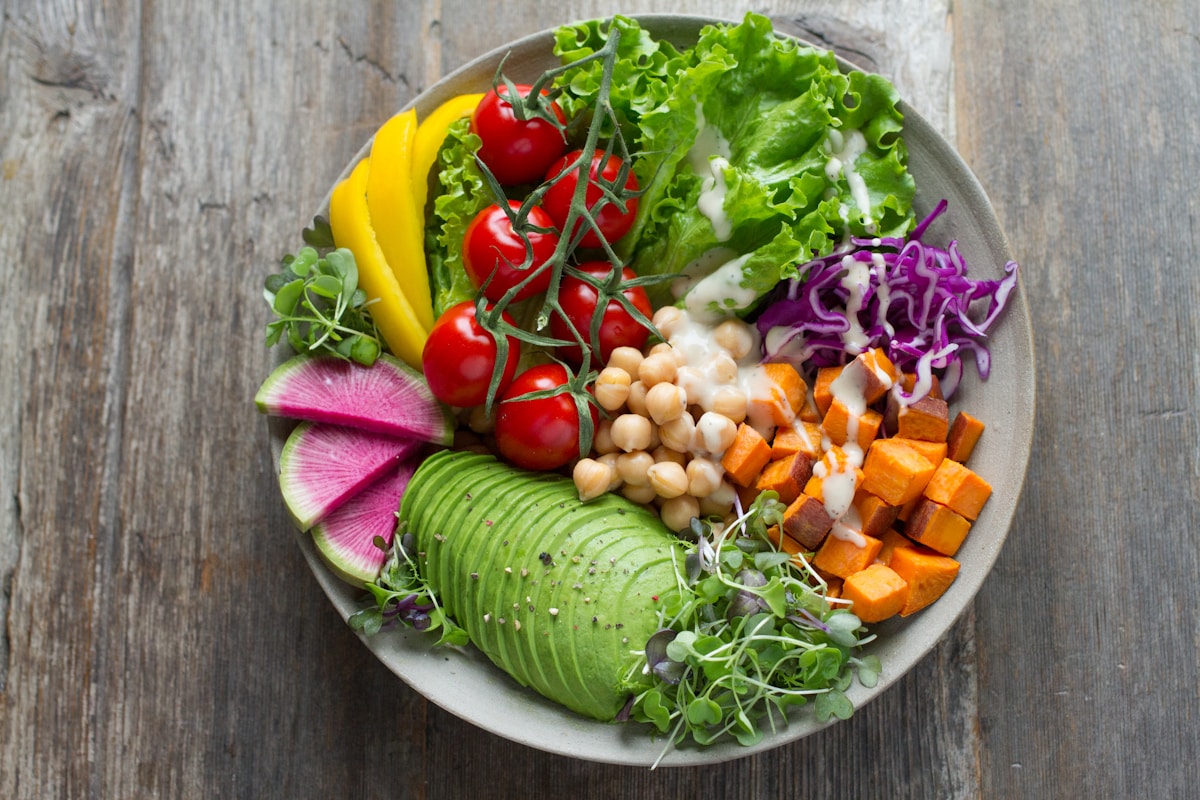
The pigments that give fruits and vegetables their vibrant colors serve a purpose beyond aesthetics: they are often antioxidants and anti-inflammatory compounds that protect plants from environmental stressors, and they provide the same benefits when consumed by humans. Deeply colored produce—leafy greens, berries, beets, carrots, tomatoes, bell peppers, purple cabbage—provides the widest spectrum of anti-inflammatory phytonutrients. The phrase "eat the rainbow" is not marketing but sound nutritional advice: each color family represents different protective compounds that work synergistically in the body.
Leafy greens deserve particular emphasis in any anti-inflammatory diet. Spinach, kale, chard, collard greens, arugula, and mustard greens contain exceptionally high levels of antioxidants including quercetin and kaempferol, which directly combat inflammatory pathways in the body. Population studies consistently show that people with higher leafy green consumption demonstrate significantly lower inflammatory markers in their blood. Aim for multiple servings daily, whether in salads, smoothies, soups, or sautéed preparations. Even moderate increases in leafy green intake produce measurable reductions in inflammatory biomarkers.
Berries: Powerful Anti-Inflammatory Fruits
Berries—blueberries, strawberries, raspberries, blackberries, and others—contain anthocyanins, the pigments that give them their vivid colors. Anthocyanins are among the most potent anti-inflammatory compounds found in nature, and berry consumption is associated with reduced inflammation, improved vascular function, and lower risk of chronic diseases. Unlike many foods where processing diminishes benefits, berries retain their anti-inflammatory properties whether eaten fresh, frozen, or in minimally processed forms. Frozen berries are equally nutritious as fresh since flash-freezing preserves antioxidant compounds.
Healthy Fats: The Critical Distinction
The type of fat you consume matters profoundly for inflammation. Omega-3 fatty acids, found in abundance in fatty fish (wild-caught salmon, sardines, mackerel, anchovies), walnuts, flaxseed, and chia seeds, serve as precursors to anti-inflammatory compounds called resolvins and protectins. These specialized compounds actively resolve inflammation rather than merely preventing it, representing a fundamentally different mechanism than most anti-inflammatory approaches. The standard Western diet, overloaded with omega-6 fatty acids from processed foods and industrial seed oils (soybean, corn, canola, cottonseed, safflower oils), promotes inflammatory conditions by providing excessive omega-6s without balancing omega-3s.
Extra virgin olive oil, a cornerstone of Mediterranean cuisine, contains oleocanthal—a compound that has demonstrated anti-inflammatory effects similar to ibuprofen in its mechanism of action, without the pharmaceutical side effects. Studies show that regular consumption of high-quality olive oil reduces inflammatory markers and lowers cardiovascular risk. Use it as your primary cooking oil and drizzle it generously on vegetables, salads, and whole grain dishes. Avocados provide monounsaturated fats and contain anti-inflammatory compounds that complement their exceptional nutrient density.
Healing Spices: Flavor as Medicine
Turmeric contains curcumin, one of the most extensively researched anti-inflammatory compounds in nature, with hundreds of published studies demonstrating its effectiveness. Curcumin works by inhibiting multiple inflammatory pathways in the body, including NF-kappaB, which regulates the expression of inflammatory genes. However, curcumin's bioavailability is relatively low when consumed alone; its absorption is dramatically enhanced by black pepper (which contains piperine), by fats (turmeric is fat-soluble), and by heating. Combining turmeric with black pepper and olive oil in cooking significantly improves its absorption and anti-inflammatory effect.
Ginger provides anti-inflammatory and digestive benefits through its gingerol compounds, which are chemically similar to aspirin but without aspirin's gastrointestinal side effects. Ginger has been shown to reduce muscle pain following exercise, decrease inflammatory markers in blood, and improve digestive function. Cinnamon, oregano, rosemary, and clove all demonstrate significant anti-inflammatory properties through various antioxidant and anti-inflammatory mechanisms. Using these spices generously in cooking is one of the simplest ways to increase your anti-inflammatory compound intake daily.
Foods That Promote Inflammation
Reducing anti-inflammatory foods is only half the equation; minimizing pro-inflammatory foods is equally important. Refined sugars and high-fructose corn syrup, pervasive in processed foods and beverages, directly promote inflammation by triggering inflammatory pathways, damaging gut bacteria, and contributing to insulin resistance. Industrial seed oils, hidden in most processed foods and restaurant cooking, provide excessive omega-6 fatty acids that create inflammatory conditions. Processed meats, refined carbohydrates like white bread and pastries, and excessive alcohol all contribute to inflammatory burden. Minimizing these foods is not about perfection but about building a dietary pattern where anti-inflammatory foods dominate most of the time.
Building an Anti-Inflammatory Eating Pattern
The most effective anti-inflammatory diet is not about eating specific "superfoods" but about consistently choosing whole, unprocessed foods that collectively reduce inflammatory burden. Build meals around vegetables, fruits, whole grains, legumes, nuts, seeds, and healthy fats. Include fatty fish two to three times weekly. Use herbs and spices generously. Minimize processed foods, refined sugars, and industrial seed oils. This pattern, sustained over time, reduces inflammation more effectively than any single supplement or isolated superfood.
Related Articles
Explore Healing Foods for Stress for foods that specifically address stress-related inflammation, and Herbal Teas for Wellness for anti-inflammatory beverage options that complement dietary changes.