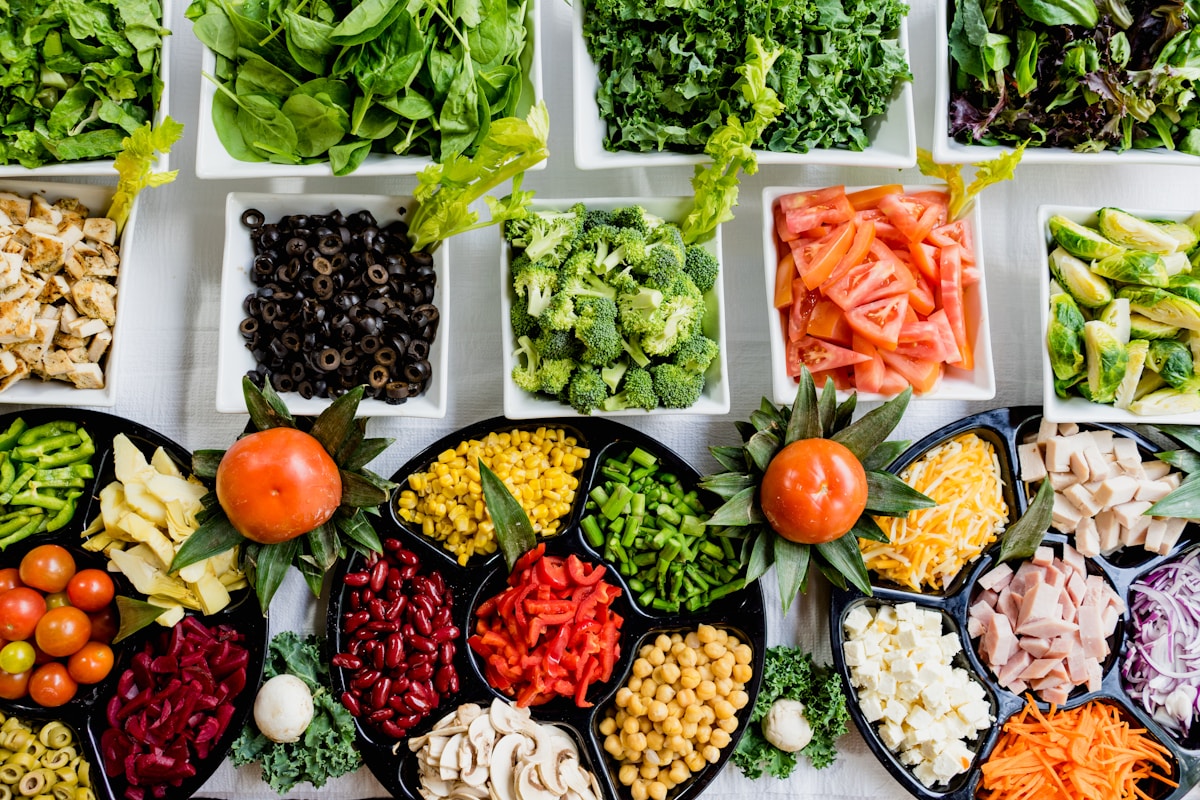
Stress is not merely a mental experience—it is a whole-body physiological event that depletes nutrients, disrupts hormones, and exhausts the nervous system. Every time your body activates the stress response, whether from a looming deadline, a difficult conversation, or a global pandemic, it consumes vitamins, minerals, and metabolic resources at an accelerated rate. Chronically elevated stress without adequate nutritional support leads to the nutrient deficiencies that manifest as anxiety, fatigue, poor concentration, irritability, and weakened immunity. Understanding how strategic nutrition supports stress resilience can transform how your body responds to life's inevitable challenges.
Blood sugar dysregulation underlies much stress-related eating and mood instability. When blood sugar crashes, the body releases cortisol and adrenaline to raise it—creating a full-blown stress response even without any external stressor. This explains why skipping meals or relying on carbohydrate-heavy foods leads to irritability, brain fog, and anxiety between meals. Stable blood sugar requires balanced meals containing protein, healthy fats, and fiber at every meal and snack—avoiding the blood sugar spikes and crashes that trigger cortisol release throughout the day.
Essential Nutrients for Stress Resilience
Magnesium: Often called the relaxation mineral, magnesium participates in over 300 enzymatic reactions in the body, including those governing neurotransmitter function, muscle relaxation, and adrenal hormone regulation. Chronic stress depletes magnesium stores, and magnesium deficiency perpetuates stress sensitivity, creating a vicious cycle. Magnesium-rich foods include dark leafy greens like spinach and Swiss chard, nuts and seeds (especially pumpkin seeds), avocados, dark chocolate (at least 70% cacao), and legumes. Many people in modern society are chronically deficient in magnesium due to soil depletion, processed food diets, and chronic stress exposure—making magnesium-rich food choices particularly valuable.
B Vitamins: B vitamins, particularly B5 (pantothenic acid) and B6 (pyridoxine), are essential for adrenal gland function and the synthesis of neurotransmitters that regulate mood, including serotonin and GABA. Whole grains, eggs, lean proteins, legumes, and leafy green vegetables provide B vitamins. B vitamin deficiency is common among those with high-stress lifestyles, and supplementation under practitioner guidance may be warranted when dietary sources are insufficient.
Vitamin C: The adrenal glands contain the highest concentration of vitamin C in the body and require it to produce cortisol and other stress hormones. Vitamin C also helps regulate cortisol levels and supports immune function that chronic stress depletes. Citrus fruits, bell peppers, strawberries, broccoli, and kiwi are excellent dietary sources that also provide fiber and antioxidants.
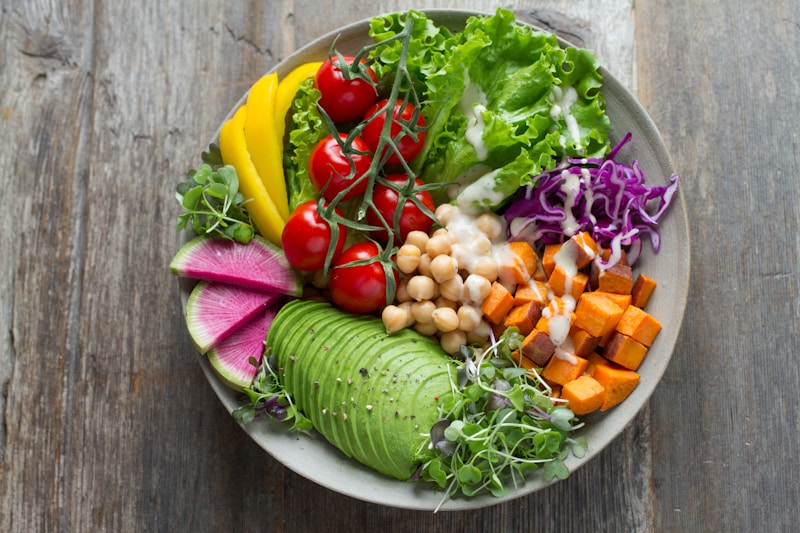
Foods That Calm the Nervous System
Omega-3 Fatty Acids: EPA and DHA omega-3 fatty acids from fatty fish, walnuts, and flaxseed support brain health, reduce inflammatory responses to stress, and have been shown in clinical studies to reduce symptoms of anxiety and depression. The brain is nearly 60% fat, and omega-3 fatty acids form critical structural components of neuronal cell membranes. Populations with higher omega-3 consumption demonstrate lower rates of anxiety disorders, suggesting a protective effect of adequate omega-3 intake. Wild-caught salmon, sardines, and mackerel are among the richest sources; plant sources like walnuts and flaxseeds provide ALA, which the body partially converts to EPA and DHA.
Probiotic-Rich Foods: The gut-brain axis—the bidirectional communication system between the digestive tract and the central nervous system—means that gut health directly influences mental health. Probiotic-rich fermented foods including yogurt, kefir, kimchi, sauerkraut, miso, and kombucha support beneficial gut bacteria that produce neurotransmitters, including significant amounts of the body's serotonin. Research increasingly shows that microbiome composition influences mood regulation, stress response, and anxiety levels.
Dark Leafy Greens: Spinach, kale, Swiss chard, and other dark leafy greens contain folate, which is necessary for neurotransmitter synthesis and mood regulation. Folate deficiency has been linked to depression and poor stress response. These greens also contain magnesium and other minerals that support nervous system function. Adding them to smoothies, salads, soups, and sautéed dishes is an easy way to increase intake.
Foods That Amplify Stress
Processed Foods and Refined Sugars: Highly processed foods, refined carbohydrates, and excess sugar cause blood sugar instability, feed inflammatory gut bacteria, and deplete B vitamins—all of which worsen stress reactivity. The temporary mood elevation from sugar consumption is followed by the crash that triggers cortisol release and worsens anxiety.
Caffeine in Excess: While moderate caffeine can enhance alertness and mood, excessive consumption amplifies the stress response and can trigger anxiety symptoms. Individual tolerance varies significantly, but those with stress or anxiety concerns may benefit from reducing caffeine intake below 200mg daily (approximately two cups of coffee).
Practical Stress-Reducing Eating Strategies
Start the Day with Protein: A breakfast with adequate protein—eggs, Greek yogurt, or protein smoothies—stabilizes blood sugar and reduces cortisol spikes throughout the morning. Skipping breakfast or eating only carbohydrates sets up the blood sugar instability that perpetuates stress.
Strategic Snacking: When blood sugar threatens to drop between meals, reaching for protein and fat rather than simple carbohydrates prevents cortisol-driven hunger and mood swings. A handful of nuts, hummus with vegetables, or cheese with apple slices provides sustained energy without triggering stress physiology.
Hydration: Even mild dehydration elevates cortisol levels and impairs cognitive function. Drinking adequate water throughout the day—approximately eight glasses for most adults—supports every physiological process involved in stress management.
Building Stress-Resilient Eating Patterns
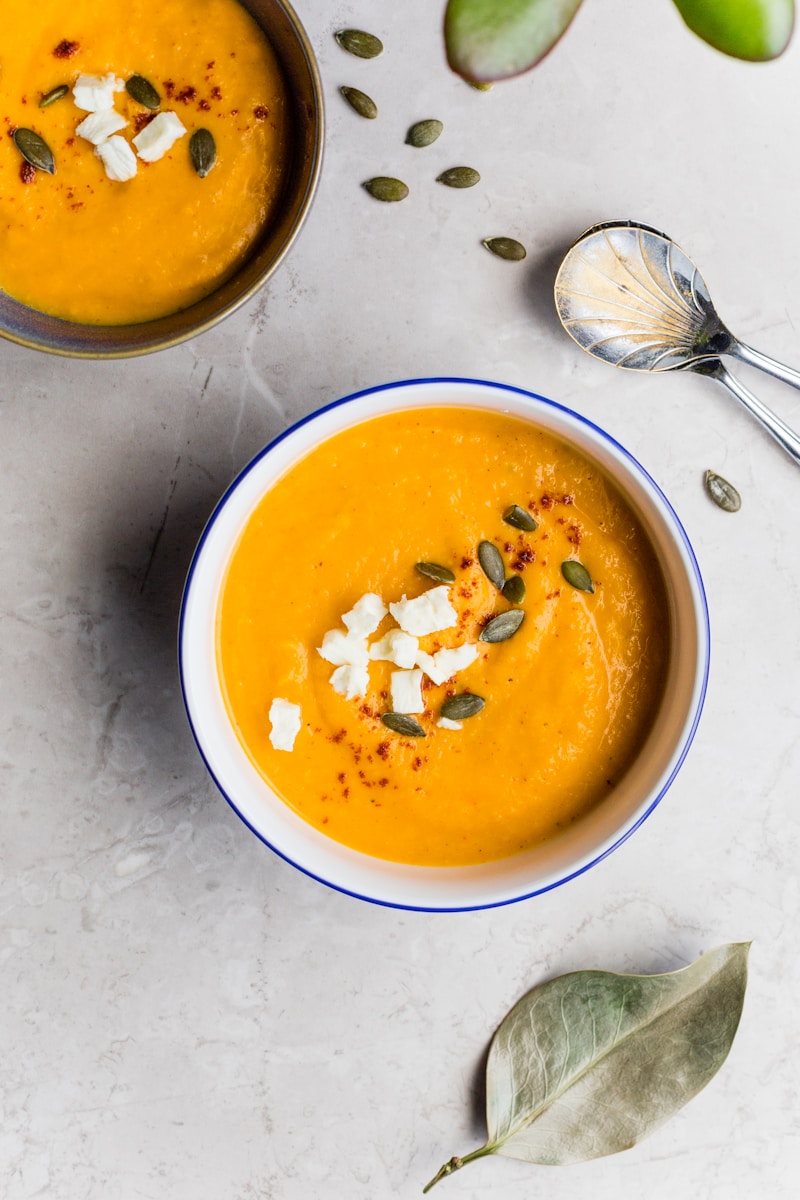
Transforming stress through nutrition does not require perfection—it requires consistency in foundational practices. Building meals around whole foods with adequate protein, healthy fats, and fiber provides the nutritional foundation for stress resilience. Reducing processed foods, excess sugar, and caffeine removes the dietary stressors that amplify the physiological stress response.
The connection between what we eat and how we feel is not psychological or willpower-based—it is biochemically direct. Food provides the building blocks and cofactors for every hormone, neurotransmitter, and cellular process involved in the stress response. When those nutritional resources are abundant, the body can mount an adaptive stress response and return to baseline more quickly. When they are depleted, stress becomes chronic and debilitating. Choosing stress-healing foods is not self-indulgence—it is essential self-care.
Related Articles
Explore Gut Health and Mental Wellness to understand the gut-brain connection, and Anti-Inflammatory Foods for Healing for inflammation-reducing dietary options that support stress recovery.