
The phrase "trust your gut" turns out to have scientific backing far more profound than metaphor. The human gut contains over 100 million neurons—more than the spinal cord—forming an extensive communication network with the brain called the enteric nervous system. This gut-brain axis allows bidirectional communication: your thoughts and emotions influence your gut function, and your gut health influences your mood, cognition, and stress response in ways that researchers are only beginning to fully understand. When you experience "butterflies" before public speaking or a "gut feeling" about a decision, you are experiencing this gut-brain communication in real time.
The gut microbiome—the trillions of bacteria, fungi, viruses, and other microorganisms residing in your digestive system—plays a crucial role in this communication. These microbes collectively weigh approximately two to three pounds and contain over 3 million genes, vastly outnumbering human genes. They produce neurotransmitters and other biochemical compounds that directly affect brain function. Most notably, approximately 90-95% of the body's serotonin—the neurotransmitter associated with well-being, happiness, and mood regulation—is produced in the gut, not the brain. When gut health suffers, mental health often follows through this direct biochemical pathway.
How Gut Dysbiosis Affects Mental Health
Research has established correlations between gut dysbiosis—an imbalanced microbiome with harmful bacterial overgrowth—and various mental health conditions including anxiety disorders, depression, autism spectrum disorders, and even neurodegenerative diseases like Alzheimer's and Parkinson's. The mechanisms connecting gut health to brain health include inflammatory cytokines that cross the blood-brain barrier and affect neurotransmitter function, neurotransmitter production by gut bacteria themselves, vagus nerve signaling from gut to brain, and the effects of gut permeability on systemic inflammation.
Leaky gut, more formally called increased intestinal permeability, occurs when the tight junctions between intestinal cells become compromised, allowing bacterial fragments, undigested food particles, and toxins to enter the bloodstream. This triggers immune responses and inflammation that affect the brain through the gut-brain axis. This connection helps explain why anti-inflammatory diets often improve mood and anxiety symptoms—the reduction in gut-derived inflammation translates to reduced neuroinflammation.
Nourishing Your Microbiome
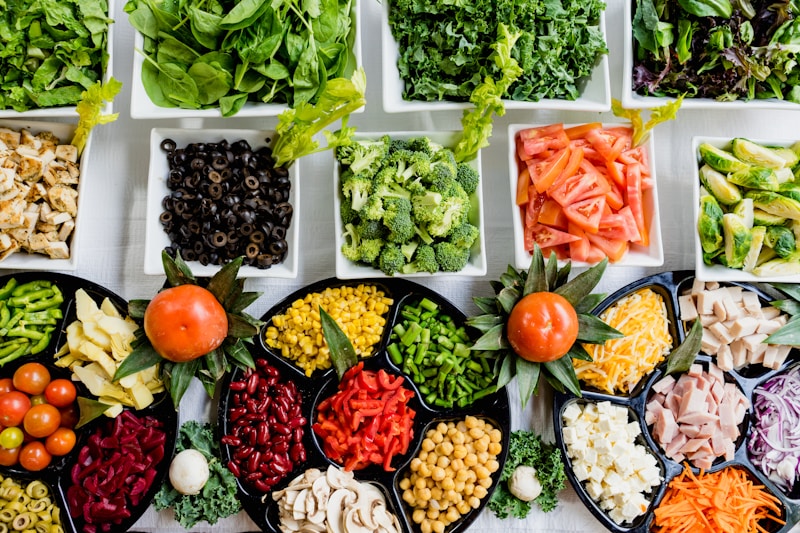
Diet profoundly influences microbiome composition more rapidly than any other factor. Within days of changing your diet, the gut bacterial population shifts in response. A diverse diet rich in whole plant foods—vegetables, fruits, legumes, nuts, seeds, and whole grains—provides the fiber and phytonutrients that beneficial bacteria need to thrive. These beneficial bacteria ferment dietary fiber to produce short-chain fatty acids like butyrate, which nourish the gut lining, reduce inflammation, and support mental health through multiple mechanisms.
Conversely, processed foods, excess sugar, industrial seed oils, and artificial additives promote harmful bacterial populations that produce inflammatory compounds and compromise gut barrier function. Reducing these dietary stressors while increasing whole food inputs creates conditions for the microbiome to rebalance toward a healthier composition.
Probiotic and Prebiotic Foods
Probiotic foods introduce beneficial bacteria directly into the digestive system. Traditional fermented foods have been consumed across virtually every culture throughout human history for exactly this reason:
- Yogurt and kefir: Fermented dairy products containing Lactobacillus and Bifidobacterium species
- Kimchi and sauerkraut: Fermented vegetables rich in Lactobacillus bacteria
- Miso and tempeh: Fermented soy products with probiotic and prebiotic properties
- Kombucha: Fermented tea containing probiotic bacteria and beneficial acids
Prebiotic foods feed beneficial bacteria already residing in your gut, helping them proliferate and produce the short-chain fatty acids that reduce inflammation. Key prebiotic foods include garlic, onions, leeks, asparagus, bananas (especially slightly underripe ones), oats, and Jerusalem artichokes.
Reducing Gut Stressors
Supporting gut health is not only about adding beneficial foods but also about removing harmful ones. Chronic stress itself damages gut health through cortisol's effects on the gut lining and microbiome composition. Managing stress through meditation, adequate sleep, and regular exercise protects the gut-brain axis in ways that dietary changes alone cannot.
Antibiotic use, while sometimes necessary, significantly disrupts the microbiome sometimes for months or years after a single course. Using antibiotics only when genuinely necessary, and supporting gut recovery afterward with probiotic foods and prebiotic fiber, minimizes this disruption. Non-steroidal anti-inflammatory drugs (NSAIDs) also increase intestinal permeability and should be used sparingly.
Building a Gut-Healthy Lifestyle
The gut-brain axis responds to the totality of lifestyle inputs. Adequate sleep, regular physical activity, stress management, and dietary diversity all contribute to microbiome health. Sleep deprivation disrupts microbiome composition within days, and recovery sleep restores it. Exercise increases microbiome diversity and promotes the growth of beneficial bacterial species. Mindfulness meditation has been shown to positively influence gut microbiome composition, possibly through the stress-reducing effects on gut function.
Eating in a relaxed state rather than while stressed or rushed allows proper digestive function—stress inhibits digestion through sympathetic nervous system activation. Taking time to eat meals without screens, chewing thoroughly, and eating in calm environments supports the digestive processes that prepare food for microbiome interaction.
Related Articles
Explore Anti-Inflammatory Foods to reduce gut inflammation through diet, and Mindful Nutrition for eating habits that support optimal digestion and microbiome health.