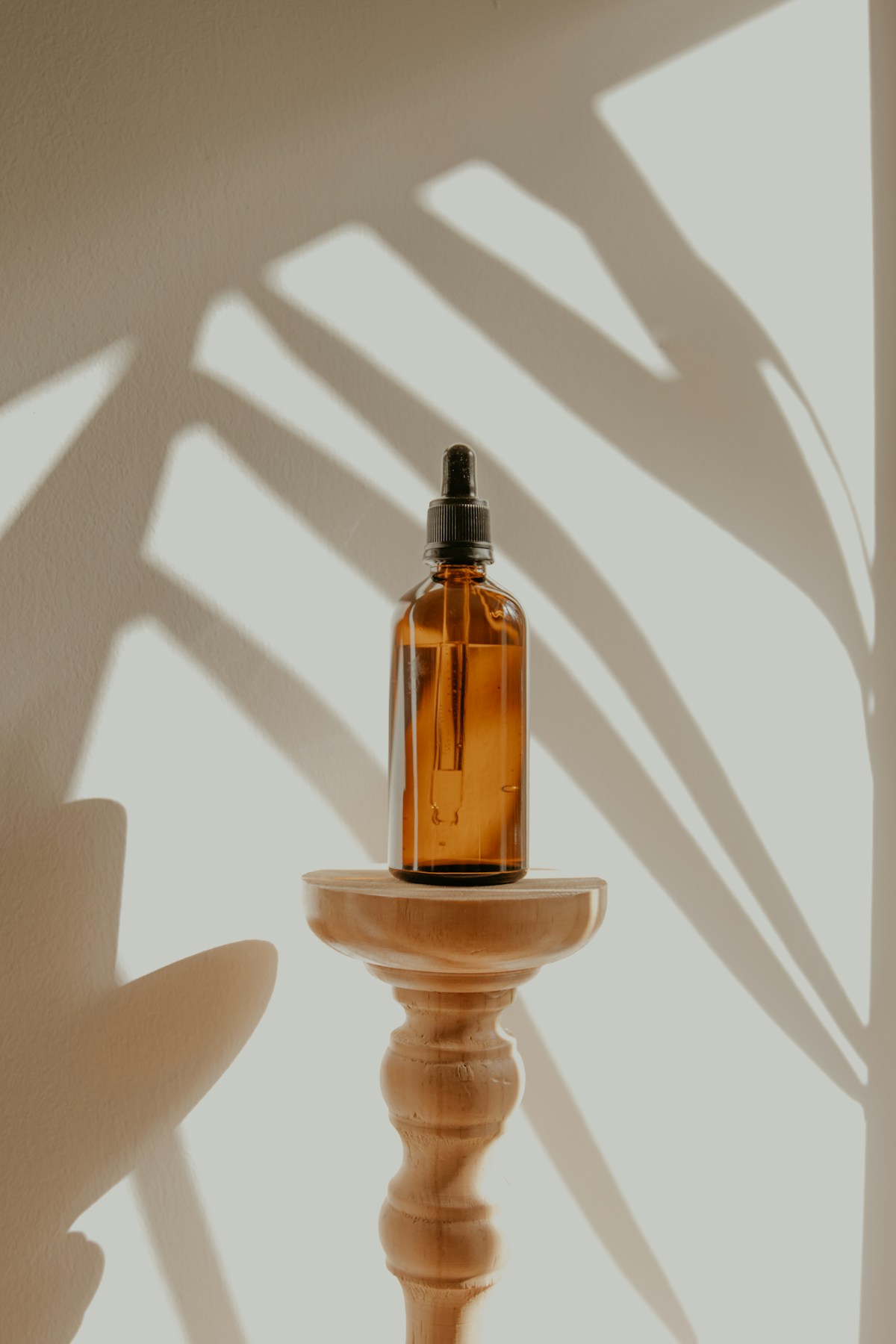
The sense of smell is uniquely powerful, connected directly to the limbic system—the brain's emotional center—through pathways that bypass conscious thought. This explains why a particular scent can instantly transport you to a childhood memory, trigger a flood of emotion, or shift your entire mood in moments. Aromatherapy leverages this intimate connection between scent and emotion for healing and emotional well-being.
Essential oils are highly concentrated plant extracts that capture the aromatic compounds responsible for a plant's scent and many of its protective properties. These oils have been used therapeutically for thousands of years across cultures, from ancient Egyptian medicine to Traditional Chinese Medicine to Ayurvedic practices. Modern research is now validating what traditional systems have long understood about the healing properties of aromatic plants.
How Aromatherapy Works
When you inhale essential oils, aromatic molecules travel through the nasal passages and bind to olfactory receptors. These receptors send signals directly to the limbic system, including the amygdala (emotional processing) and hippocampus (memory formation). This direct pathway explains why essential oils can produce immediate emotional effects without the need for cognitive processing.
Essential oils can also be absorbed through the skin, entering the bloodstream and affecting various physiological processes. When properly diluted in carrier oils, they can be massaged into the skin, added to baths, or applied to specific areas. The dual action of inhalation and topical application makes essential oils versatile therapeutic tools for emotional wellness.
Essential Oils for Emotional Support
Lavender is perhaps the most studied and widely used essential oil for emotional wellness. Its gentle, floral scent promotes relaxation and sleep while reducing anxiety. Research demonstrates that lavender can be as effective as certain anti-anxiety medications for mild to moderate anxiety, without the side effects or dependency risks. Keep lavender oil nearby during stressful days for quick calming.
Citrus oils like bergamot, sweet orange, and lemon are uplifting and energizing. They can elevate mood, reduce stress, and combat the low energy that often accompanies depression. Diffusing citrus oils in the morning can provide a natural energy boost without caffeine. Bergamot, derived from bergamot orange, has particular research support for reducing anxiety and cortisol levels.
Frankincense has been valued for spiritual purposes for millennia. Its rich, woody scent promotes deep breathing and meditative states, making it excellent for meditation practice. Many people find frankincense grounding and centering, helpful during times of overwhelm or spiritual seeking. In ancient traditions, frankincense was used in religious ceremonies to enhance connection with the divine.
Ylang Ylang for Emotional Balance
Ylang ylang offers a sweet, floral scent that many find deeply calming and emotionally balancing. It is particularly useful for reducing nervousness and anxiety while promoting feelings of peace and tenderness. Ylang ylang blends well with citrus oils and is often used inperfumes for its rich, complex aroma. A few drops in a diffuser can transform the emotional atmosphere of a room.
Practical Applications
Diffusion is the simplest way to experience aromatherapy. A few drops of essential oil in a diffuser fills a room with therapeutic scent. Different oils or blends can be chosen for different purposes—calming blends for bedrooms, energizing blends for workspaces, centering blends for meditation spaces. Start with just a few drops; essential oils are potent and more is not better.
Topical application requires proper dilution. Essential oils are highly concentrated and can cause skin irritation if applied undiluted. Generally, a 2-3% dilution (about 12-15 drops per ounce of carrier oil) is appropriate for most applications. Popular carrier oils include coconut oil, jojoba oil, and sweet almond oil. Always perform a patch test before widespread use and avoid certain oils if pregnant, nursing, or having specific health conditions.
Creating an Emotional Support Roll-On
A pre-diluted roll-on bottle allows you to apply essential oils to pulse points throughout the day. Create a 5% dilution (about 30 drops per ounce of carrier oil) in a small glass bottle with a roller top. Apply to wrists, temples, or behind the ears as needed. A calming blend might include lavender, bergamot, and frankincense; an energizing blend might combine lemon, peppermint, and wild orange.
Related Articles
Combine aromatherapy with Creating a Home Spa Experience for luxurious self-care, and The Mind-Body Connection to understand how emotional patterns affect your physical health.