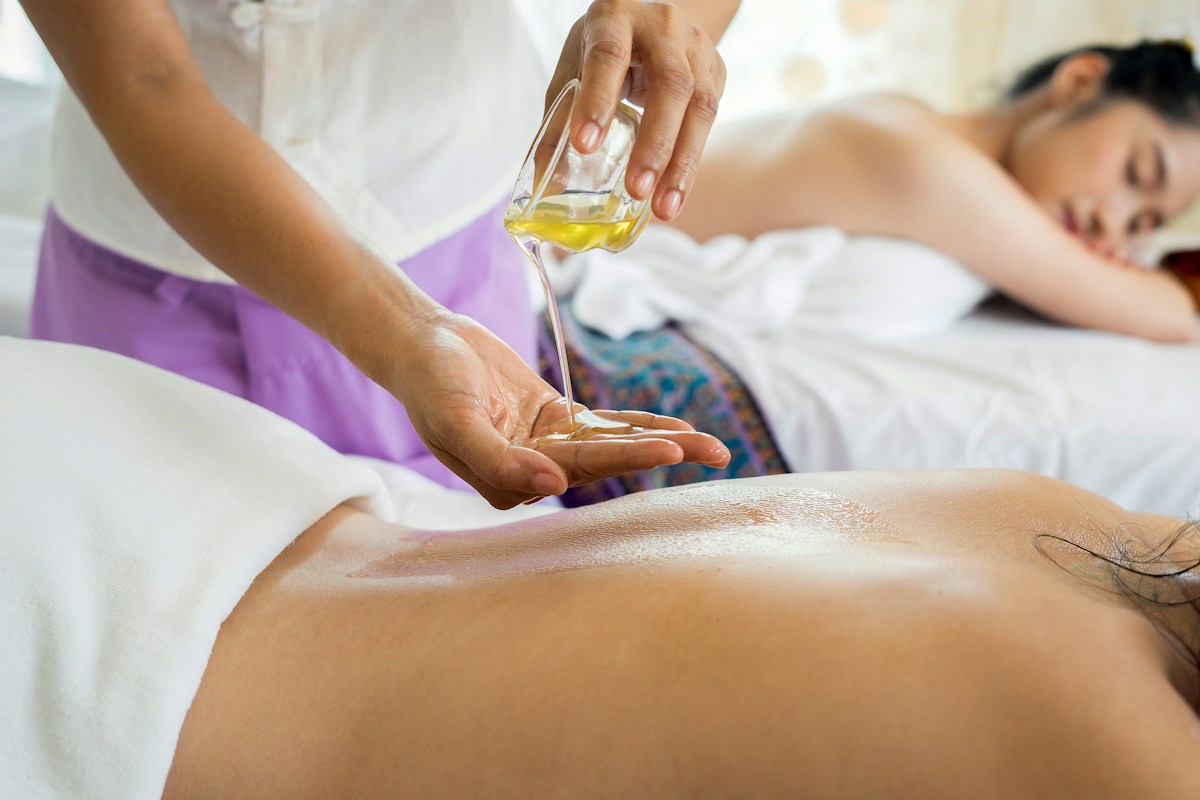
Professional spa treatments offer genuine restoration, but they require time, expense, and planning that most of us cannot manage regularly. The good news is that you can recreate much of the spa experience in your own bathroom, with minimal expense and no travel time. A home spa ritual transforms ordinary self-care into sacred practice, signaling to your nervous system that you are worthy of care and attention. The intention you bring to self-care matters as much as the specific treatments you choose.
The key to an effective home spa lies not in expensive products but in atmosphere and intention. Dim lighting, warm water, soothing scents, and the quality of your attention turn a simple bath into a healing ritual. The goal is to engage the senses fully, allowing the nervous system to shift from chronic stress into parasympathetic restoration. This shift is where real healing begins.
Setting the Atmosphere
Clear your bathroom of clutter before beginning. Light candles—scented or unscented, according to your preference. The soft, flickering light signals safety and relaxation to the nervous system in ways that harsh fluorescent lighting cannot. Play soft music or nature sounds. Ensure you will not be interrupted; put your phone in another room. This boundary against interruption is essential—your nervous system cannot relax if it anticipates disturbance.
Temperature matters. Fill the tub with water at a temperature that feels deeply comfortable—usually between 98-102 degrees Fahrenheit. Have towels warming on a radiator if available. Prepare everything before getting into the water so you can stay in the bath without interruption. Having to get out to fetch something breaks the relaxation state you have worked to create.
Simple Bath Rituals
Epsom salt baths provide mineral absorption while the warm water relaxes muscles. Add one to two cups of Epsom salt to your bath; for enhanced relaxation, add a few drops of lavender essential oil. Magnesium, the primary component of Epsom salt, absorbs through the skin and helps replenish depleted levels that are common in modern diets. Soak for at least twenty minutes to allow the magnesium to absorb.
Oat baths soothe irritated or dry skin. Tie one cup of colloidal oats (or regular oats blended into a fine powder) in a muslin bag or cloth and hang it under the faucet as you fill the tub. The milky water relieves itching and softens skin. This is particularly beneficial during winter months when dry skin is problematic or after exposure to sun or wind.
For an energizing bath, add citrus slices (lemon, orange, grapefruit) and a tablespoon of coconut oil. The citrus oils are uplifting while the oil leaves skin soft. Alternatively, add fresh herbs like mint or rosemary for a refreshing experience. Vary your bath ingredients according to your needs—calming salts for evening, energizing citrus for morning.
Baking Soda Bath
Adding one cup of baking soda to your bath softens skin and helps remove impurities. Baking soda also has a gently alkalizing effect on the body, which can help counter the acidity of stress and modern diets. Some people find baking soda baths particularly soothing for muscle aches and general tension.
DIY Treatments
Before bathing, apply a hair mask. Coat your hair with coconut oil, put it up in a bun, and let it sit while you enjoy your bath. The steam helps the oil penetrate, and you rinse it out when you wash your hair afterward. For deeper conditioning, warm the oil slightly before applying, but test the temperature on your wrist to avoid burning your scalp.
Create a simple sugar scrub by mixing sugar with coconut oil until you achieve a paste-like consistency. During your bath or after, massage the scrub onto your skin in circular motions, then rinse. This removes dead skin cells and leaves skin silky. Pay attention to rough areas like elbows, knees, and heels. Store any unused scrub in a sealed container for future use.
Facial Steam Treatment
Before your bath, give yourself a mini-facial steam. Fill a bowl with hot water, lean over it with a towel draped over your head to trap the steam, and breathe deeply for five to ten minutes. Add dried herbs like chamomile or lavender to the water for enhanced benefits. Follow with a gentle cleanser and moisturizer while your pores are still open.
Completing the Ritual
After your bath, take your time toweling off rather than rushing. Apply a luxurious body butter or oil while skin is still slightly damp. This extended self-care continues the relaxation response. The ritual of application becomes part of the practice—massaging lotion into your skin with attention and care. Finish with water and a moment of gratitude for this time you have given yourself.
Consider keeping a journal beside your bath for any insights or reflections that arise during the quiet. The relaxed state is often conducive to processing emotions and gaining clarity. Some of the best ideas and solutions arise when we give ourselves permission to simply be, without agenda or pressure.
Related Articles
Explore Aromatherapy to enhance your spa with essential oils, and Restorative Yoga for complementary relaxation practices.