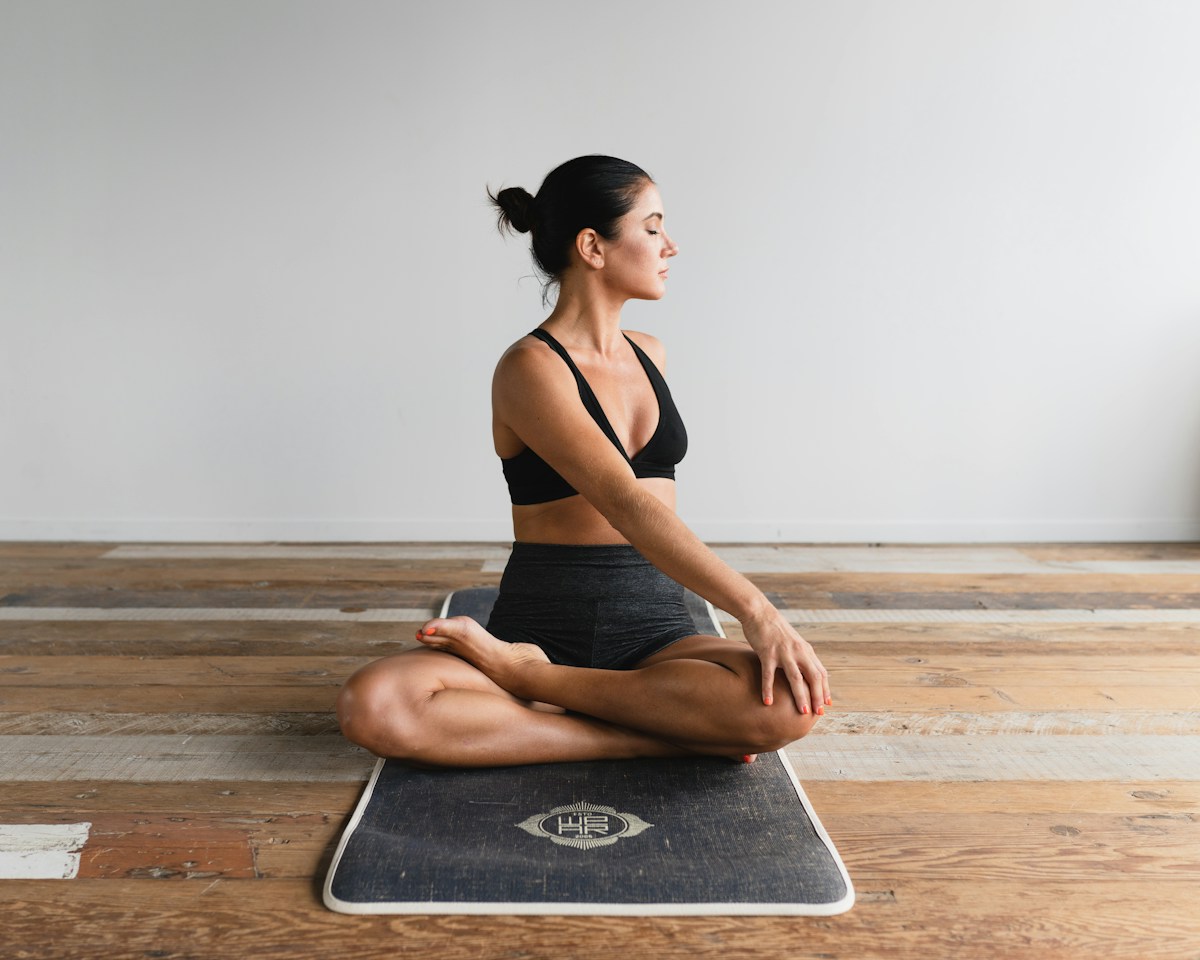
The modern office environment, with its computers, meetings, and deadlines, creates physical and mental challenges that compound over years. Prolonged sitting correlates strongly with cardiovascular disease, metabolic dysfunction, musculoskeletal disorders, and mental fatigue. Yet taking extended breaks for gym sessions or yoga classes is not realistic for most workers. Chair yoga offers a solution—simple, effective practices you can do at your desk, in meeting rooms, or during brief breaks.
Chair yoga adapts traditional yoga poses to be performed while seated, making it accessible in any office setting. These practices relieve the chronic tension that accumulates from desk work, boost energy when afternoon fatigue strikes, and provide mental resets that enhance productivity. Best of all, no special clothing, equipment, or privacy is required—just a chair. Even during conference calls where your camera is off, you can practice.
Why Chair Yoga Works
The magic of chair yoga lies in its accessibility and integration with existing work patterns. Unlike traditional yoga that requires a mat, appropriate clothing, and dedicated time, chair yoga can be practiced during the ordinary course of a workday. You do not need to change clothes, go anywhere, or block time on your calendar. The barrier to practice is essentially zero.
Chair yoga also makes yoga philosophy practical. The awareness of breath, the cultivation of presence, the attention to alignment—these elements of yoga translate directly into desk work. In fact, the concentration required for desk work makes brief mindful breaks even more valuable. They restore focus and prevent the diminishing returns that come from extended concentration without renewal.
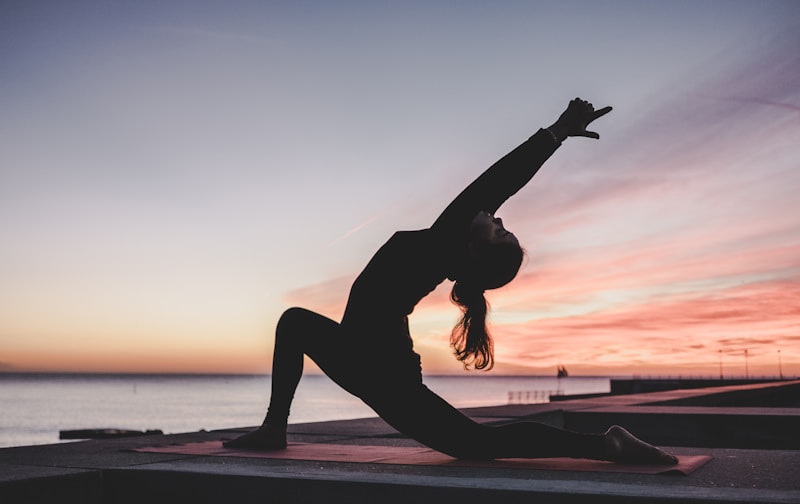
Desk-Based Stretches
Seated cat-cow: Sit tall with hands on your knees. Inhale, arch your back, lift your chest, and look up (cow). Exhale, round your spine, draw your chin to your chest (cat). Flow between these positions five to ten times, coordinating with breath. This mobilizes the entire spine and relieves back tension. You can do this subtly enough that no one will notice, even in a meeting.
Seated spinal twist: Sit tall with feet flat on the floor. Place your left hand on your right knee and your right hand behind you on the chair. Gently rotate to the right, looking over your right shoulder. Hold three breaths, then repeat on the other side. Twists release spinal tension, stimulate digestion, and create a sense of renewal. They also help counteract the rotational imbalances that develop from reaching for mice and phones.
Shoulder rolls and ear-to-shoulder stretches address the neck and shoulder tension that plagues computer users. Roll shoulders forward five times, then backward five times. To stretch the sides of the neck, bring your right ear toward your right shoulder (use your right hand to gently add pressure), hold three breaths, and repeat on the left. These simple movements address the tension that leads to chronic headaches and upper back pain.
Seated Eagle Arms
Eagle arms create a shoulder stretch that counteracts the rounding of upper back and shoulders. Extend arms forward, then cross right arm under left. If accessible, try to bring palms together. If not, simply hold the crossed position. You will feel the stretch between your shoulder blades. Hold for thirty seconds, then switch arms. This pose also improves concentration as you focus on the balance and positioning.

Standing Desk Adaptations
If you have a standing desk, mountain pose becomes a standing meditation. Stand with feet hip-width apart, weight balanced, spine tall. Close your eyes and take several slow, deep breaths. Feel your feet on the ground, the weight of your body, the length of your spine. This brief mindfulness practice resets your mental state and can be done without leaving your workspace.
Standing forward fold with a slight bend in the knees provides relief for the lower back while calming the nervous system. Let your upper body hang heavy, arms dangling toward the floor. Hold for five breaths. The inversion of blood flow that occurs in forward fold immediately begins to calm mental chatter and reduce fatigue.
Gentle spinal twists, standing one leg at a time, and calf raises can also be done unobtrusively at a standing desk. Calf raises—rising onto your toes and lowering—improve circulation in your lower legs and prevent the blood pooling that occurs during prolonged standing. Do twenty repetitions, focusing on the contraction of your calf muscles.
Breathing Breaks
Even without physical movement, conscious breathing provides significant stress relief. Try box breathing: inhale for four counts, hold for four, exhale for four, hold for four. Repeat four to eight rounds. This practice takes less than two minutes and can be done in any meeting or during a phone call. The deliberate breathing pattern engages the prefrontal cortex and counters the stress response.
Extended exhale breathing is particularly effective for immediate calming. Simply make your exhale longer than your inhale—a ratio of two to one or three to one. Inhale for four counts, exhale for six to eight. This pattern directly activates the parasympathetic nervous system and can be practiced anywhere without anyone knowing you are doing anything other than breathing normally.
Related Articles
Explore Stretching Routines for Desk Workers for more desk-based relief, and Yoga for Stress Relief for additional stress-management practices.