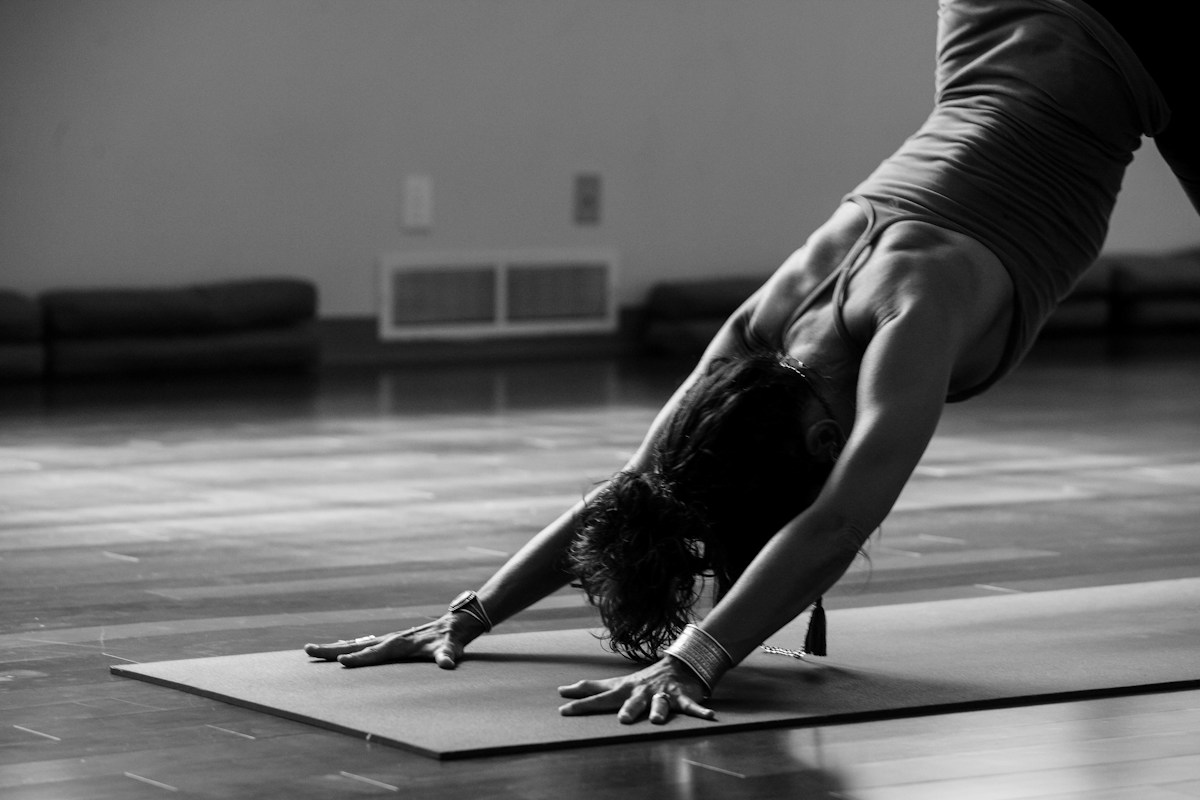
Stress has become so ubiquitous that many people no longer recognize its absence. Yet chronic stress affects nearly every system in the body, contributing to cardiovascular disease, digestive disorders, immune suppression, anxiety, depression, and accelerated aging. Addressing stress is not a luxury but a health imperative. Yoga offers a powerful, accessible intervention—something you can practice anytime, anywhere, with no equipment needed.
The stress response involves activation of the sympathetic nervous system, releasing cortisol and adrenaline that prepare the body for immediate action. While this response served survival needs in ancestral environments, modern chronic stress keeps the system perpetually activated. Yoga counteracts this through activating the parasympathetic nervous system—the relaxation response. Through specific poses, breathing techniques, and mindfulness, yoga can shift your physiology from stress to calm within minutes.
Understanding the Stress Response
The human nervous system evolved to respond to immediate threats—a lion chasing you requires instant action. Once the threat passes, the parasympathetic system kicks in to restore calm. Modern life creates a different pattern: chronic low-grade stress from deadlines, financial worries, relationship tensions, and information overload keeps the sympathetic system engaged indefinitely. This chronic activation, without the relief of parasympathetic response, creates the damaging physiological state that underlies most modern disease.
Yoga interrupts this pattern by providing a reliable trigger for the relaxation response. Through physical poses that release muscular tension, breathing practices that directly calm the nervous system, and meditation that quiets mental chatter, yoga provides a complete toolkit for stress management.
Breathing Techniques for Instant Calm
Before beginning physical poses, try three rounds of extended exhales. Inhale for four counts, exhale for eight. The extended exhale stimulates the vagus nerve and immediately begins calming the nervous system. You can practice this anywhere—at your desk, in traffic, before a difficult conversation. Within seconds, you will feel the physiological shift toward relaxation.
Alternate nostril breathing (nadi shodhana) balances the nervous system and calms mental chatter. Using your right hand, close the right nostril with your thumb. Inhale through the left nostril. Close the left with your ring finger, release the right, and exhale through the right. Inhale right, close right, exhale left. This completes one round. Repeat five to ten rounds for significant calming.
Restorative Poses That Activate Relaxation
Legs-up-the-wall pose (viparita karani) is one of yoga's most powerful stress-relieving postures. Lie on your back with your legs extended up a wall. The inversion reverses blood flow and immediately calms the nervous system. Stay five to fifteen minutes with eyes closed, focusing on slow, deep breathing. This pose is especially beneficial in the evening to transition from the day's stress to evening relaxation.
Supported child's pose, with a pillow or bolster beneath your torso, provides profound release for the entire back body while calming the mind. The gentle pressure on the third eye point (forehead) during child's pose has a naturally sedating effect. Stay for three to five minutes, breathing deeply.
Why Supported Poses Work
When you are fully supported by props, the body receives a signal of safety. Muscles that have been holding tension for protection can finally release. The nervous system recognizes the supported position as safe and shifts from sympathetic (stress) to parasympathetic (rest) mode. This is why restorative poses are so effective for stress—they give the body permission to do what it naturally wants to do when safety is recognized.
Forward Folds for Mental Release
Standing forward fold (uttanasana) calms the brain and relieves stress by reversing blood flow to the head while releasing tension in the entire back body. The proximity of the forehead to the legs activates a mild pressure on the third eye that many find deeply calming. Bend knees generously and let your head hang heavy—no forcing. You are not trying to touch your toes; you are allowing gravity to do the work while you surrender effort.
Seated forward fold (paschimottanasana) similarly calms while stretching the entire posterior chain. The compression of the belly against the thighs provides a gentle massage for abdominal organs and supports digestive health, which often suffers under stress. Use a strap around your feet if hamstrings are tight—no need to strain.
Creating a Stress-Relief Practice
The most effective stress-relief practice is one you will actually do. Even five minutes of conscious yoga and breathing when stress arises can prevent it from compounding into larger problems. Consider keeping a yoga mat visible as a reminder to practice, and scheduling brief sessions during the day to prevent stress accumulation.
A simple daily sequence takes only ten to fifteen minutes: begin with five rounds of alternate nostril breathing, move into supported child's pose for three minutes, follow with legs-up-the-wall for five minutes, and finish with two minutes of savasana. This sequence addresses stress at multiple levels—breath, body, and deep relaxation.
Beyond formal practice, bring awareness to your breath throughout the day. When you notice tension rising, pause and take three slow, extended exhales. This simple practice, repeated consistently, gradually trains your nervous system toward calm as the default state rather than the exception.
Related Articles
Explore Restorative Yoga for Deep Relaxation for more supported poses, and Sleep Meditation for additional evening wind-down practices.