Walking is something most of us do every day without much thought—getting from place to place, checking boxes on our to-do lists, wearing fitness trackers counting our steps. But what if this ordinary activity could become a profound meditation practice? Mindful walking transforms the simple act of moving through space into a rich, embodied meditation that can be practiced anywhere, anytime, by almost anyone.
Unlike seated meditation, which some find challenging due to physical discomfort or restless minds, walking meditation engages the body naturally. The rhythmic motion supports a meditative state while the movement itself provides grounding. Many practitioners find that walking meditation is easier to sustain for longer periods than seated practice, and it offers unique benefits for integrating mindfulness into daily movement.
The Ancient Roots of Walking Meditation
Walking meditation has been practiced for millennia in various spiritual traditions. In Theravada Buddhism, it is considered one of the four primary meditation practices alongside sitting, standing, and lying down. The Buddha himself alternated between walking and seated meditation during his enlightenment journey. Monastics in many traditions practice kinhin—walking meditation between periods of seated practice—to maintain alertness and integrate the stillness of sitting with the movement of daily life.
These ancient practitioners discovered what modern neuroscience confirms: the combination of light physical activity and focused attention produces a unique mental state. Walking meditation generates what psychologists call "active calm"—physically engaged yet mentally quiet, present without forcing stillness.
Why Walk Mindfully?
The benefits of mindful walking extend across multiple dimensions of well-being. Physically, the gentle pace of walking meditation provides light exercise while the focused attention improves balance and body awareness. The slower pace, compared to brisk walking or running, reduces impact on joints while still providing movement benefits.
Mentally, walking meditation calms the nervous system, reduces cortisol levels, and provides a natural outlet for anxious energy. Many practitioners report that it helps process difficult emotions and generate creative insights. The combination of physical movement and mental clarity makes it particularly effective for working through mental blocks or finding solutions to problems.
For those who struggle with traditional seated meditation, walking offers a compelling alternative. When the body craves movement, trying to force stillness often backfires. Walking meditation honors the need for motion while still cultivating the focused attention of formal practice.
Basic Mindful Walking Practice
Begin by finding a quiet space where you can walk without interruption for ten to twenty minutes. This might be a hallway, a garden path, a quiet street, or even a large room. The path should be relatively straight and unobstructed, allowing you to walk slowly without obstacles.
Stand still for a moment, taking several deep breaths to arrive fully in the present. Notice your posture: spine relatively straight, shoulders relaxed, arms resting naturally at your sides. Feel the weight of your body pressing down through your feet into the ground beneath.
Begin walking more slowly than your normal pace—about half or a quarter of your typical speed. The goal is to walk slowly enough that each step is deliberate and conscious, but not so slowly that it becomes awkward. Find a sustainable pace that feels natural within the context of slowness.
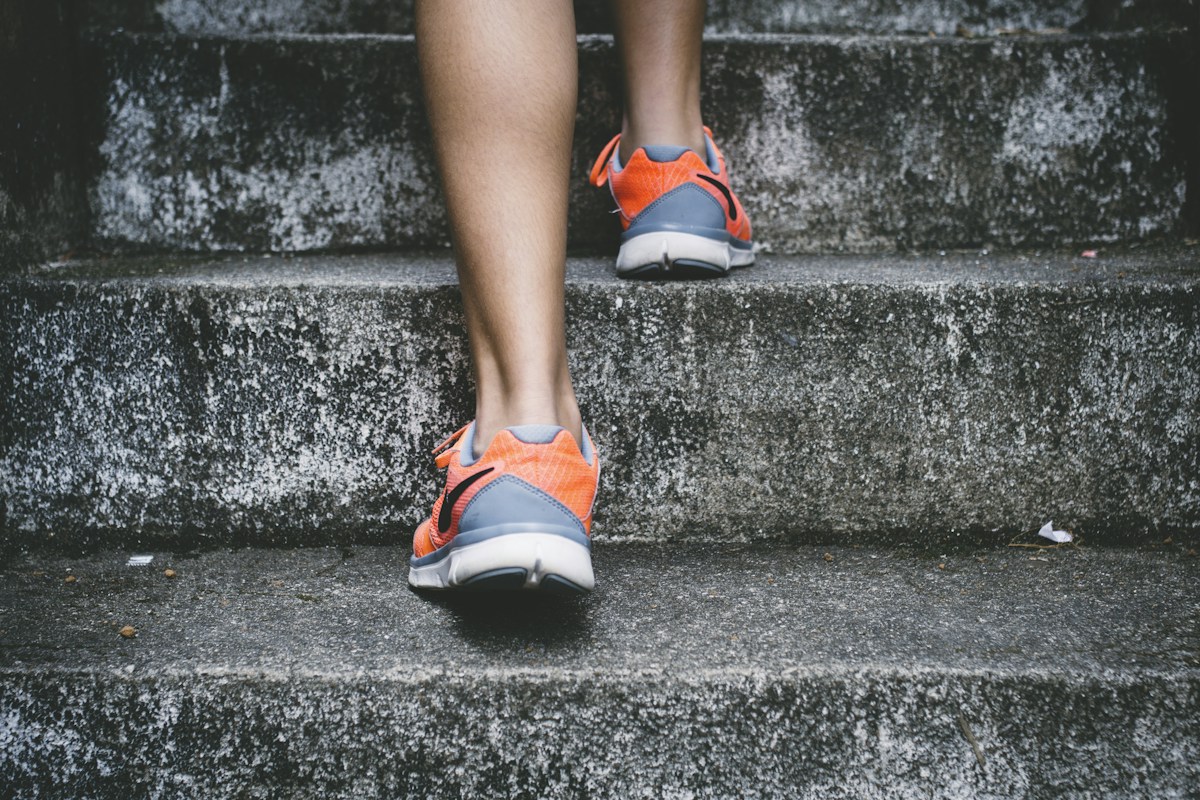
As you walk, direct attention to the physical sensations of walking. Notice the lifting of one foot, the forward movement of the leg, the placement of the foot on the ground. Feel the transfer of weight as you shift from one leg to the other. Notice the subtle movements of ankles, knees, and hips coordinating to produce the motion.
When your mind wanders—and it will—gently note where it went and return attention to the sensations of walking. There is no wrong place for attention within the walking meditation; you might focus primarily on the feet, or expand awareness to include the entire body moving through space, or notice the contact of air on skin. Each return to awareness of walking is a successful repetition of the practice.
Expanding Your Awareness
Once you have established basic attention to walking sensations, you can expand awareness to include more of your experience. Notice what you see in your environment—the colors, shapes, movements. Listen to the layers of sound around you. Feel the temperature of air on exposed skin, the warmth or coolness of the sun, the humidity of the air.
This expanded awareness transforms walking meditation into a full sensory experience. You might walk slowly while allowing your eyes to take in your surroundings without fixating on any particular thing. Sounds arise and pass; sights appear and disappear. Walking meditation teaches us that experience is always flowing, changing, impermanent—and that we can be present for this flux without grasping or resisting.
Walking Meditation in Daily Life
Beyond formal practice, you can bring mindful attention to your everyday walking. This does not mean walking so slowly that you impede traffic or frustrate fellow pedestrians. Rather, it means periodically remembering to notice your walking—perhaps for a few steps at a time throughout the day.
Try pausing at a crosswalk and using the wait as an opportunity for mindful breathing. Notice your feet touching the ground as you walk through a doorway. Feel the rhythm of your stride as you walk from your car to your office. These brief moments of presence accumulate throughout the day, gradually transforming your relationship with movement and embodiment.
Walking meetings, walking phone calls, or walking to commute can all become opportunities for practice. You might not maintain full meditation during these activities, but you can weave threads of awareness through your daily motion.
Related Articles
Continue exploring mindfulness practices with Yoga Poses for Beginners for more movement-based wellness, and Daily Yoga Routine for a complete movement practice. To deepen overall presence, explore Finding Peace in the Present Moment.