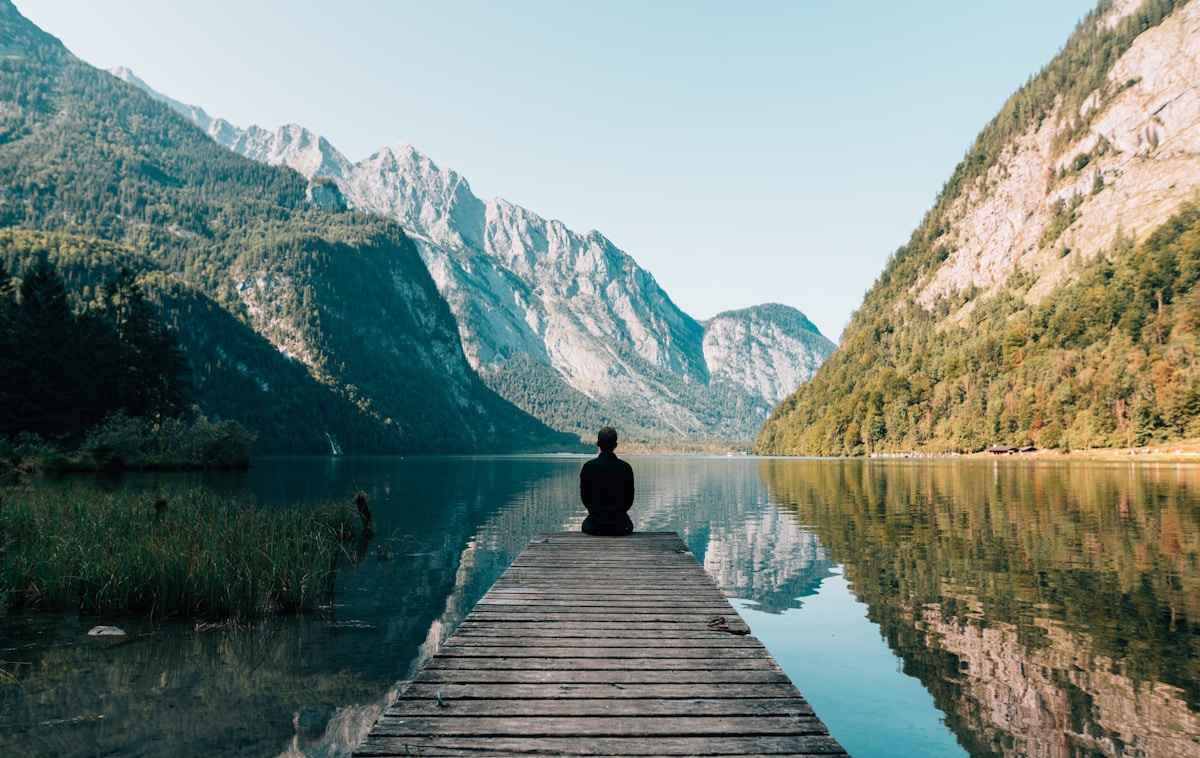
Healing is not a single destination but an ongoing journey—a process of continuous growth, discovery, and transformation that extends throughout life. Each person's path is unique, shaped by individual constitution, history, circumstances, and soul's calling. Yet certain stages appear universally: the initial recognition that something needs to change, the exploration of possibilities, the commitment to practice, the navigation of challenges, and the integration of learning into sustained wellness.
This journey need not be undertaken alone. The resources, practitioners, and communities available to support healing have multiplied exponentially in recent decades. Yet navigating these options can itself feel overwhelming. This guide provides a framework for understanding your healing journey and making choices appropriate to your current phase.
Stage One: Recognition
Healing journeys often begin with recognition—a dawning awareness that current patterns are unsustainable. Perhaps symptoms have become intolerable, or perhaps a deep knowing arises that something must change even without acute crisis. This recognition may come through personal suffering, witnessing another's healing, exposure to new ideas, or spiritual prompting. Whatever the catalyst, this stage marks the end of unawareness and the beginning of conscious engagement with your own well-being.
During this stage, begin exploring. Read broadly, try various practices, notice what resonates. There are no wrong explorations at this stage—only expansion of awareness about possibilities. Keep a journal of insights, reactions, and emerging questions. Pay attention to what energizes you versus what depletes you, what feels authentic versus performative. This self-observation builds the foundation for later, more focused work.

Stage Two: Exploration and Commitment
As awareness expands, patterns emerge. Certain approaches resonate; others do not. Specific practitioners or modalities may feel particularly supportive. A commitment begins forming—not to everything at once but to a direction. This stage involves narrowing focus, committing to specific practices, and establishing routines that support your healing intentions.
During this stage, resist the temptation to try everything simultaneously. Choose foundational practices that address your primary concerns, master them, then expand. A daily meditation practice and one movement modality provide more benefit than occasional engagement with dozens of approaches. The depth that comes from consistent practice yields results that scattered exploration cannot.
Finding the Right Support
Whether you work with conventional healthcare providers, holistic practitioners, or both, finding practitioners who resonate with you matters enormously. A good practitioner serves as a guide and collaborator, not an authority who tells you what to do. Ask questions, evaluate responses, and trust your intuition about whether a particular approach or person supports your healing. Not every practitioner will be right for you, and that is expected and acceptable.
Stage Three: Deepening and Persistence
Initial enthusiasm inevitably fades, revealing the true test: sustainable practice through ordinary life, not just through periods of inspiration. This stage requires persistence—continuing practices when motivation wanes, navigating setbacks, and maintaining commitment through life's inevitable challenges. Many people abandon healing work during this stage, not because the work is ineffective but because the initial excitement has worn off.
Healing crises may arise during this stage as deeper material surfaces for processing. Having support—practitioners, community, accountability—makes the difference between abandoning and continuing. Remember that intensification often precedes resolution. When old patterns surface with new intensity, this may indicate that the body and psyche are ready to process and release what was previously held.

Stage Four: Integration and Expansion
As practices stabilize, healing integrates into daily life rather than remaining a separate activity. New patterns become automatic; old patterns release. This stage often involves expanding work into new areas, deepening existing practices, and beginning to share healing with others. The healing you have received becomes a resource you can offer.
Service becomes natural at this stage. Having received healing, the desire to support others' journeys arises. This might involve formal teaching, informal sharing, or simply being an embodiment of wellness in one's community. The distinction between healer and healed blurs; you recognize that giving and receiving are part of the same flow.
Living Wellness
Wellness is not a permanent achievement but a dynamic balance maintained through ongoing attention. The practices developed through the healing journey become simply how one lives—not special efforts but default patterns. Setbacks occur; life continues to present challenges. Yet the foundation built through healing work provides resilience to navigate whatever arises without being overwhelmed.
This resilience does not mean immunity from difficulty. Rather, it means having tools and perspectives that allow you to meet difficulty with grace rather than being swept away by it. The healed wound becomes stronger than the original tissue; the processed experience becomes a source of wisdom rather than a limiting story. This is the promise of the healing journey—that what we survive can become fuel for flourishing.
Related Articles
Explore Building Your Wellness Routine for practical steps, and Yoga for Stress Relief for specific practices that support your journey.